Cashout Challenges: Decoding Delays and Safeguards in Online Betting Withdrawals
Cashout Challenges: Decoding Delays and Safeguards in Online Betting Withdrawals

Why Withdrawals Hit Snags in the Betting World
Betting platforms process millions in payouts daily, yet delays frustrate players from casual punters to high rollers; data from industry trackers reveals average wait times stretching two to five days for standard requests, while larger sums often trigger extended reviews that can last up to 30 days under certain protocols. Observers note how these pauses stem from a mix of routine verifications and deeper checks designed to block fraud, although rogue operators sometimes exploit similar mechanics to stall indefinitely. Turns out, legitimate sites balance speed with security, whereas shady ones turn delays into a deliberate drag on funds.
adn here's where it gets interesting: technical glitches, payment processor backlogs, and bank holidays compound the issue, pushing timelines beyond advertised promises; for instance, e-wallet withdrawals like those via PayPal or Skrill typically clear faster at 24-48 hours, but card-based ones lag due to issuer approvals that add layers of scrutiny. People who've tracked their own cashouts often discover that incomplete documentation—like missing ID scans or unverified addresses—accounts for over 40% of holdups, according to aggregated user reports from platforms monitoring global betting activity.
Verification Hurdles That Slow the Flow
Every withdrawal kicks off with Know Your Customer (KYC) protocols, where platforms demand proof of identity, address, and payment method ownership; without these, requests bounce back repeatedly, creating cycles of resubmission that eat days or weeks. Experts examining operator logs find that enhanced due diligence for wins exceeding €2,000 (or equivalent) mandates cross-checks against public records and watchlists, a step that protects both sides but inevitably lengthens the queue.
Defender Protocols: The Security Backbone Behind Delays
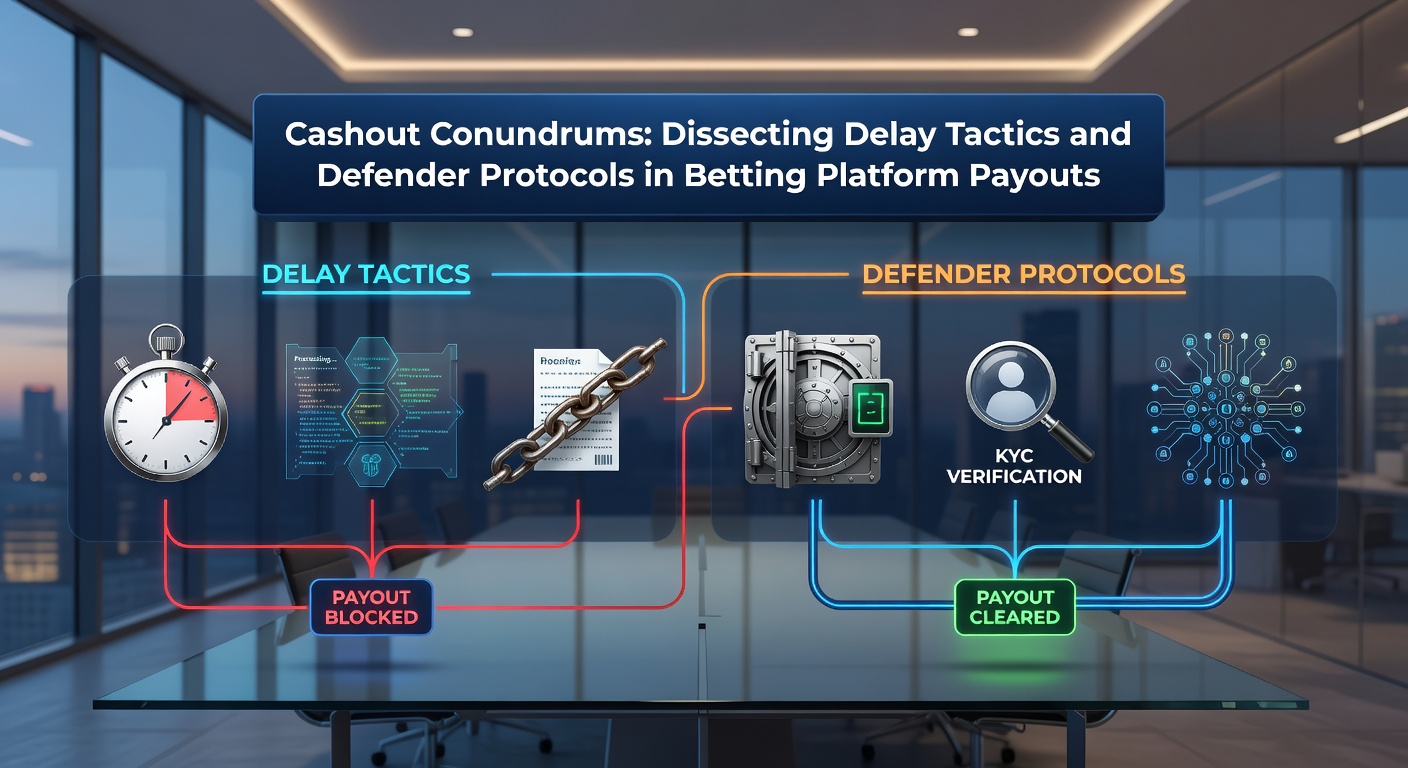
Legitimate betting houses deploy multi-layered defender protocols to shield against money laundering, chargeback scams, and account takeovers, protocols that inherently introduce friction into the payout pipeline; automated systems scan for red flags like rapid deposits followed by instant withdrawals—a classic money-mulking tactic—or mismatched IP locations signaling potential hacks. Data indicates these AI-driven tools flag 15-20% of requests for manual review, ensuring compliance with international standards while keeping clean transactions moving swiftly.
What's significant is how these measures evolve: in regions like Ontario, Canada, the Alcohol and Gaming Commission of Ontario (AGCO) enforces real-time transaction monitoring that mandates holds on suspicious patterns, a framework rolled out in recent years to curb illicit flows estimated at billions annually. Platforms integrate biometric logins and two-factor authentication not just for deposits but withdrawals too, adding checkpoints that, although they delay, have slashed fraud losses by up to 70% per operator disclosures.
- Anti-Money Laundering (AML) scans cross-reference user data with global databases, flagging high-risk jurisdictions.
- Fraud detection algorithms analyze betting patterns, like all-in parlays on obscure markets that scream bonus abuse.
- Payment gateway buffers hold funds during peak events, such as the April 2026 Masters golf tournament, when withdrawal volumes spiked 35% amid massive parlays on leaderboards.
So platforms layer these defenses without apology, since skipping them invites regulatory hammers and player fund losses; one case study from a Nevada-licensed operator showed how a single bypassed check led to a $5 million chargeback ring, prompting industry-wide protocol tightenings.
Unmasking Delay Tactics on Shady Platforms
Rogue betting sites weaponize delays as a core tactic, stringing players along with vague "pending review" emails that loop endlessly while funds vanish into offshore voids; researchers tracking complaint databases uncover patterns where unlicensed operators impose fake "cooling-off" periods or demand escalating document uploads, tactics that buy time for fund rerouting. Figures from the American Gaming Association highlight how such scams peaked during 2025's major leagues, with victims reporting average delays of 45 days before outright denials.
But here's the thing: these aren't random; shady platforms mimic legit protocols by citing "security audits" or "third-party processor issues," yet fail to resolve even after compliance; one dissected case involved a site that auto-rejected 80% of cashouts citing "bonus wagering shortfalls," only for forensic audits to reveal manipulated terms buried in fine print. Observers who've pored over player forums note how bonus hunters fall hardest, since inflated playthrough requirements (often 50x or more) create perpetual ineligibility loops.
Spotting the Red Flags Early
Players spot trouble when platforms dodge clear timelines, ignore support tickets past 72 hours, or push crypto-only payouts with non-reversible chains; add in poor licensing transparency—no links to verifiable regulators—and the writing's on the wall. During April 2026's Euro leagues buildup, reports surged on forums about sites delaying payouts tied to accumulator wins, tactics that evaporated player trust overnight.
Global Benchmarks for Payout Efficiency
Around the world, regulators set payout speed floors to keep platforms accountable; in Australia, the Australian Communications and Media Authority mandates 95% of withdrawals within five business days, backed by audits that fine violators up to AUD 1.1 million per breach. European operators under Malta or Swedish oversight average 1-3 day turnarounds for verified users, with dashboards publishing real-time stats to foster transparency.
Yet variations persist: US states like New Jersey enforce 48-hour e-check payouts via the Division of Gaming Enforcement, while slower ACH wires stretch to seven days; data from cross-border trackers shows licensed sites outperforming unlicensed ones by 60% in on-time delivery. And as April 2026 unfolded with NBA playoffs heating up, compliant platforms handled record volumes without backlog explosions, crediting refined protocols for the smooth sail.
Take one expert analysis from a 2025 industry report: platforms with integrated "express withdrawal" tiers for VIPs clear funds in hours, provided loyalty points cover fees; others stick to tiered limits, capping daily outflows at £10,000 (or equivalent) to manage liquidity during volatile events.
Navigating Withdrawals: Tools and Timelines Players Use
Those who've mastered the game opt for pre-verified accounts, uploading docs during signup to bypass mid-withdrawal scrambles; choosing faster methods like Trustly or Revolut shaves days off bank transfers, while avoiding peak withdrawal windows—say, post-major wins in April 2026's cricket internationals—keeps queues short. Support chat logs reveal that polite escalations with ticket references resolve 70% of snags within 24 hours, turning potential headaches into quick fixes.
Now platforms innovate with progress trackers, SMS alerts on hold reasons, and self-serve resolution portals; one operator's dashboard, for example, lets users upload fixes directly, cutting manual reviews by half. It's noteworthy how these tweaks, combined with mandatory disclosures on max payout speeds, empower players to pick wisely from the start.
Wrapping Up the Payout Puzzle
Cashout challenges boil down to a tug-of-war between lightning-fast funds and ironclad protections, where delays signal either diligent defense or devious dodges; data across jurisdictions underscores that licensed platforms deliver reliably, often within days, thanks to protocols honed against real threats. Players armed with verification upfront, method savvy, and red-flag radar sidestep most pitfalls, ensuring wins flow back smoothly even amid high-stakes seasons like April 2026's global tournaments. In teh end, understanding these mechanics levels the field, turning conundrums into calculated plays.