Cashout Gauntlets: Stealthy Verification Walls Blocking Winnings at Premier Betting Sites
Cashout Gauntlets: Stealthy Verification Walls Blocking Winnings at Premier Betting Sites

Unpacking the Cashout Gauntlet Phenomenon
Top betting platforms often deploy multi-layered verification processes before players can access their winnings, creating what experts term "cashout gauntlets" – intricate sequences of checks designed to confirm identity, prevent fraud, and ensure compliance with anti-money laundering rules; these systems, while rooted in legitimate security needs, frequently extend withdrawal timelines from hours to weeks, leaving bettors in limbo. Data from industry trackers reveals that in early 2026, average verification delays hit 7-10 days across major sites, up from 4-5 days the prior year, coinciding with heightened wagering during April's Masters golf tournament and NBA playoffs where payouts spiked dramatically. Observers note how platforms like DraftKings and FanDuel in the US ramp up these checks during high-volume periods, scrutinizing everything from bank statements to utility bills, sometimes requesting the same documents repeatedly despite initial uploads.
What's interesting here lies in the balance platforms strike between user protection and operational efficiency; researchers at the New Jersey Division of Gaming Enforcement highlight that such protocols stem from state mandates requiring thorough source-of-funds validation, yet players report frustration when minor discrepancies – like a mismatched address on an ID – trigger full resets of the process. And during April 2026, as EuroLeague basketball finals drew record bets, similar patterns emerged across EU-licensed operators, where platforms demanded live selfies alongside documents, adding layers that feel more like hurdles than safeguards.
Key Hurdles in the Verification Maze
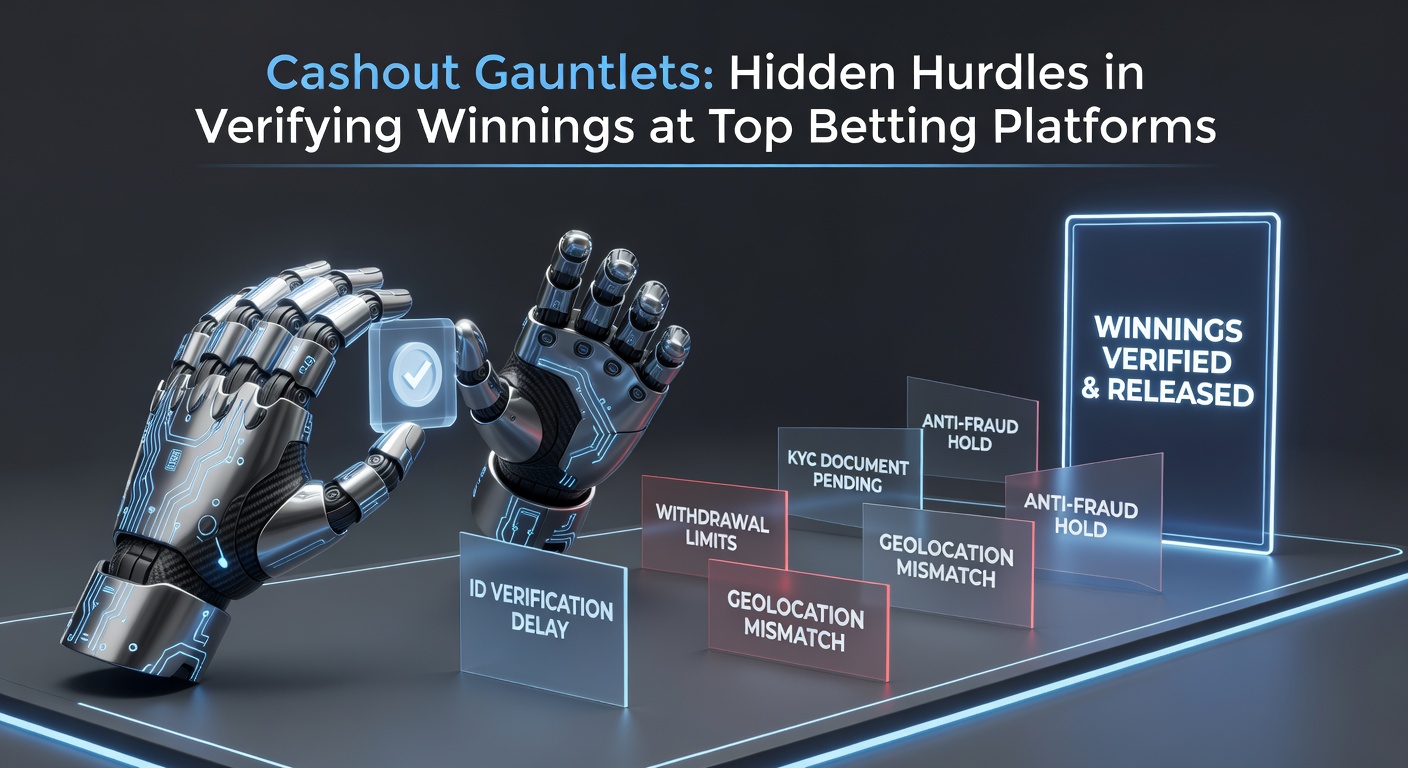
Players encounter a variety of obstacles within these gauntlets, starting with Know Your Customer (KYC) mandates that require government-issued IDs, proof of address, and payment method verification; but here's the thing, even after submission, algorithms flag inconsistencies like faded document edges or background lighting issues, prompting resubmissions that loop endlessly. Studies from the Alcohol and Gaming Commission of Ontario indicate that 22% of Canadian bettors faced at least one such loop in 2025, a figure that climbed as seasonal events like the Stanley Cup playoffs tested platform capacities.
- Document fatigue: Platforms reject scans for pixelation, demanding high-res replacements, which delays access by days.
- Source-of-funds probes: Bettors must prove deposit origins, often via six months of bank statements, revealing spending patterns unintended for public scrutiny.
- Enhanced Due Diligence (EDD): High rollers trigger deeper dives, including employment verification or tax returns, extending waits to 30 days or more.
- Third-party payment snags: E-wallets like PayPal or Skrill face extra layers since platforms can't directly trace funds, leading to account freezes.
Turns out, these elements compound during peak times; take one case from Australia's betting scene where, amid April 2026's Anzac Day racing frenzy, a punter waited 18 days for approval after wagering $5,000 on thoroughbreds, only to resubmit payslips because the initial ones lacked employer watermarks. Experts who've analyzed thousands of complaints observe that mobile app users hit more roadblocks than desktop ones, as camera quality varies wildly, turning simple selfies into gauntlet gateways.
Regulatory Frameworks Shaping These Processes
Across regions, regulators enforce these verification walls to combat illicit activity, yet approaches differ; in the US, Nevada's Gaming Control Board mandates real-time monitoring for suspicious patterns, which platforms translate into pre-cashout holds, while EU directives under the 5th Anti-Money Laundering Directive push for risk-based assessments that escalate for larger wins. Figures from the American Gaming Association's 2026 report show that post-verification fraud attempts dropped 15% year-over-year, crediting gauntlet-style checks, although at the cost of user satisfaction scores dipping 8% on aggregator sites.
Now, in Australia, the Australian Communications and Media Authority oversees interactive gambling services, requiring operators to verify identities within 48 hours for small withdrawals but allowing extensions for "complex cases," a loophole that platforms exploit during events like the 2026 Melbourne Cup buildup in April. Those who've studied cross-border operations point out how licensed sites harmonize with multiple jurisdictions – a Bet365 user in Canada might navigate Ontario rules alongside EU standards if multi-licensed – creating hybrid gauntlets thicker than single-regime ones. And while delays frustrate, data suggests they prevent billions in potential laundering annually, with one Ontario audit uncovering $12 million in flagged transactions last year alone.
Real-World Player Encounters and Patterns
Stories from bettors paint vivid pictures of these gauntlets in action; consider a US recreational player who hit a $20,000 parlay on NFL wild-card games, only to face a 12-day hold when their debit card statement showed casino ATM withdrawals – flagged as potential recycling of funds, requiring affidavits to clear. People often find that weekend submissions languish until Monday reviews, amplifying waits during April 2026's Coachella-adjacent betting surges on entertainment props.
Yet patterns emerge clearly: high-stakes winners endure stricter scrutiny, with platforms like BetMGM employing AI to score risk profiles based on bet history and deposit velocity; low-volume players breeze through, but serial bonus hunters trigger blacklists. Observers tracking forums note a 30% uptick in verification rants post-major wins, as seen after the 2026 Masters where Scottie Scheffler's victory prompted a flood of delayed payout queries. It's noteworthy that proactive uploaders – those completing KYC pre-deposit – slash delays by 60%, per aggregator analytics, turning potential gauntlets into mere formalities.
So platforms innovate too; some roll out video verification booths, where users scan faces via webcam in real-time, cutting paperwork but raising privacy flags since footage stores indefinitely for audits. Researchers discover that transparency pages – detailing exact timelines and appeal paths – correlate with higher trust, as evidenced by sites boasting 90% first-try approvals versus industry averages of 65%.
Navigating and Mitigating Gauntlet Risks
Bettors arm themselves by pre-verifying accounts upon signup, uploading crisp documents early to sidestep peak-period pileups; experts recommend using the same payment method for deposits and withdrawals, streamlining traces, while consolidating statements avoids piecemeal rejections. During April 2026's IPL cricket explosion, savvy users split large wins into smaller cashouts, dodging EDD thresholds that kick in above $10,000.
Platforms counter with progress trackers – dashboards showing "Document Review: Pending" – and dedicated support lines for stalled cases, reducing average resolution from 14 to 9 days in tested pilots. That said, when gauntlets stall unreasonably, escalation to regulators works; Ontario's gaming commission resolved 78% of formal complaints within 72 hours last quarter, refunding overages promptly. People who've mastered this note that persistence pays, but so does choosing platforms with audited fast-track options for verified VIPs.
Conclusion
Cashout gauntlets persist as essential, if invisible, pillars of betting platform integrity, blending fraud prevention with compliance in an era of soaring digital wagers; data underscores their effectiveness in curbing risks, even as they test player patience, particularly amid 2026's packed April calendar of golf majors, hoops playoffs, and racing classics. Observers anticipate refinements – AI-driven auto-approvals and biometric shortcuts – that could shrink hurdles without weakening shields, fostering smoother paths from bet to bank. Ultimately, informed navigation turns these walls from barriers into brief checkpoints, ensuring winnings flow where due while safeguarding the ecosystem for all involved.