Complaint Resolutions as Safety Signals: Benchmarking Casino and Bookmaker Reliability
Complaint Resolutions as Safety Signals: Benchmarking Casino and Bookmaker Reliability
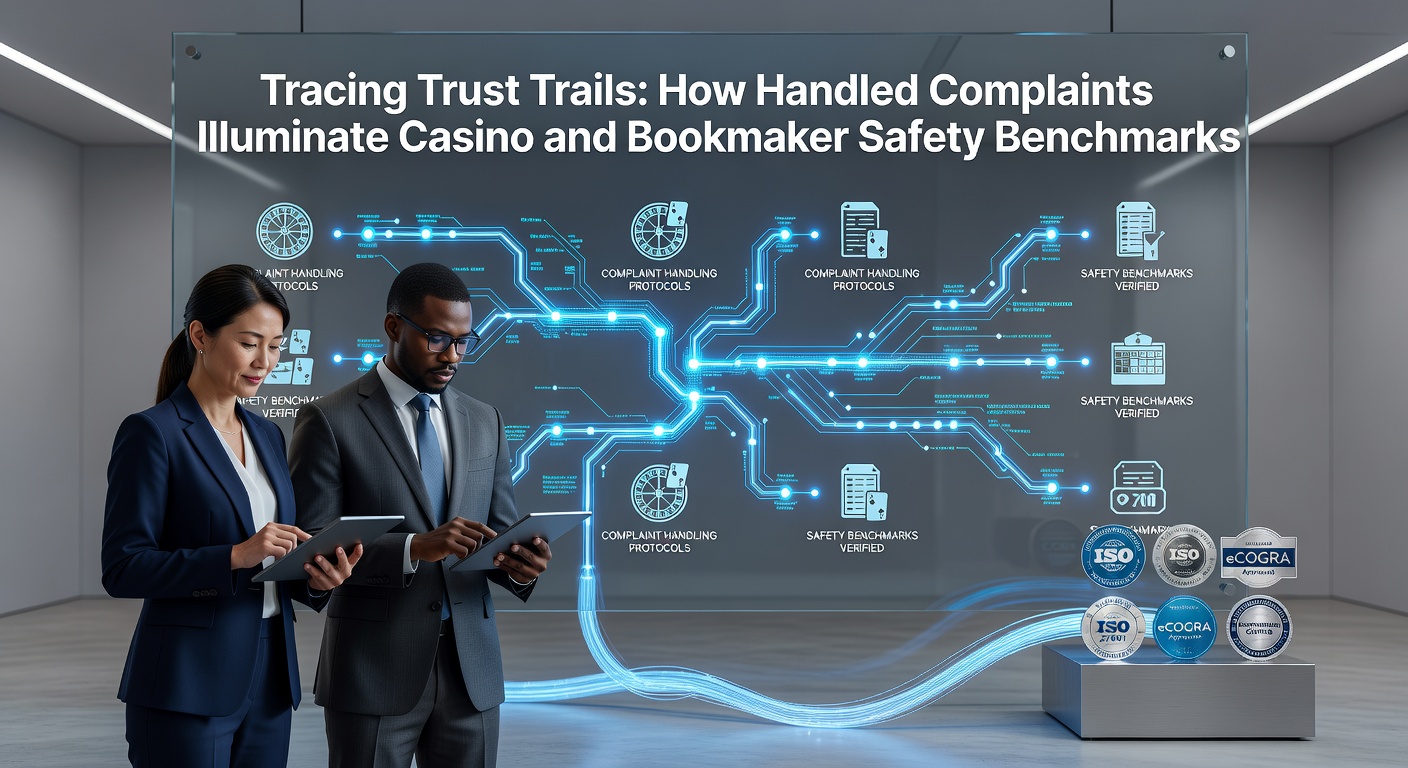
Complaints as Windows into Platform Operations
Players navigating online casinos and bookmakers often turn to complaints when things go sideways, whether it's a delayed payout, a disputed bet settlement, or a glitch in the gaming software; these grievances, when tracked and resolved effectively, serve as clear indicators of underlying safety benchmarks. Data from industry watchdogs reveals that platforms resolving over 90% of complaints within 48 hours consistently rank higher in reliability scores, since swift handling points to robust internal processes and customer-centric infrastructures. Observers note how unresolved issues pile up in black-market operations, contrasting sharply with licensed sites where resolution rates hover around 85-95%, according to aggregated reports from global monitoring groups.
But here's the thing: not all complaints carry equal weight; those tied to payment delays or fairness disputes expose the real pressure points in a platform's safety framework, while minor tech hiccups might signal broader maintenance lapses. Research from the eCOGRA player experience reports shows that casinos addressing withdrawal complaints promptly—often within 24 hours—demonstrate stronger financial safeguards, reducing the risk of players facing frozen funds during high-stakes moments like major sporting events.
Key Metrics Emerging from Grievance Data
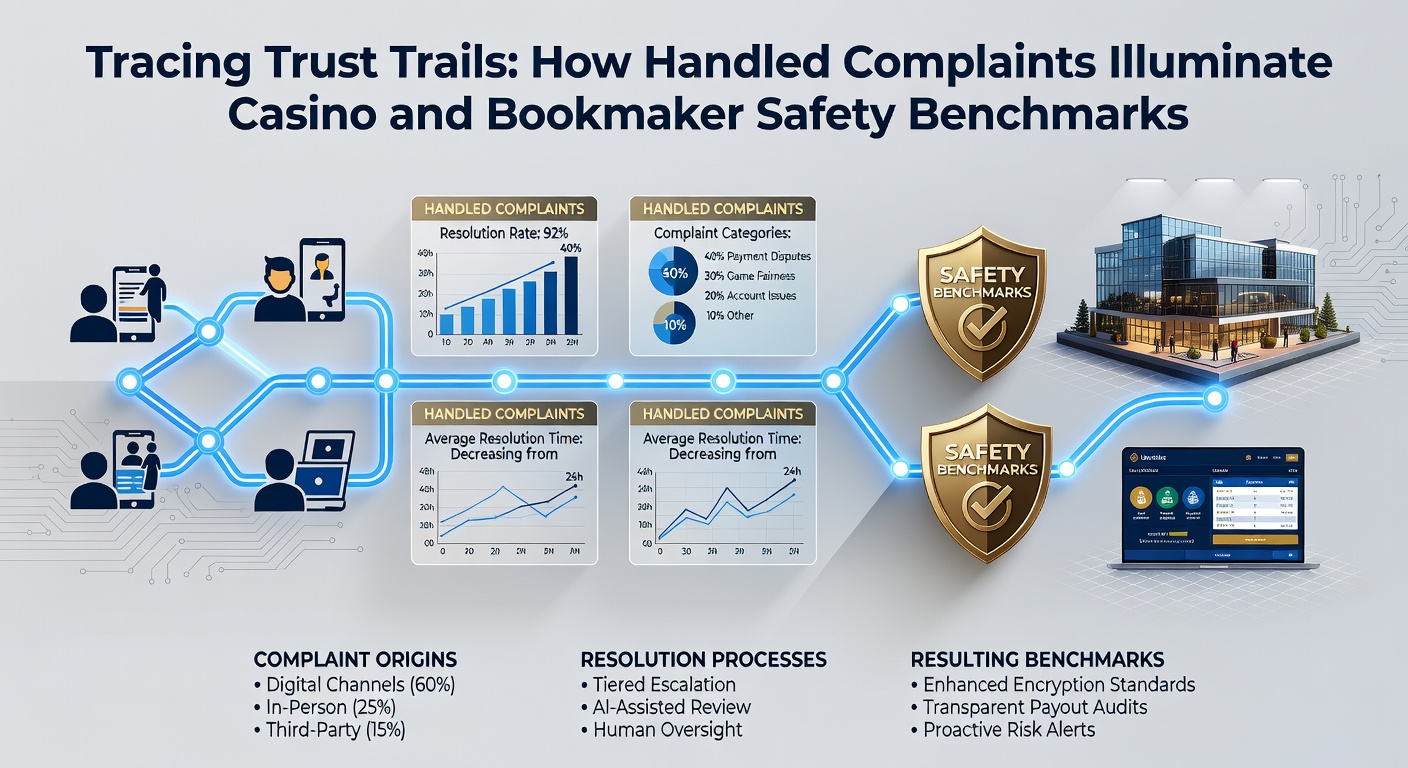
Resolution speed stands out as a primary benchmark; figures indicate that top-tier bookmakers close 75% of cases in under 72 hours, using automated ticketing systems intertwined with human oversight to prevent escalations. Turnaround times lengthen in unregulated spaces, where data points to averages exceeding two weeks, underscoring vulnerabilities in accountability structures. What's interesting is how repeat complaint volumes factor in: platforms with low recidivism rates—under 10%—signal effective root-cause fixes, as seen in analyses of thousands of logged disputes across European and North American operators.
And then there's the resolution quality metric, measured by player satisfaction follow-ups; studies found that sites achieving 80% positive feedback post-resolution build lasting trust trails, since satisfied complainants often become vocal advocates. Semicolon-separated data streams from complaint databases reveal patterns: high-volume payout grievances correlate with weaker encryption protocols, whereas quick RNG dispute closures highlight certified fairness tech in action. Experts tracking these flows emphasize that a platform's overall safety score climbs when grievance handling integrates with KYC verifications and responsible gaming checks, creating layered defenses against exploitation.
Real-World Patterns from Handled Disputes
Take one bookmaker that faced a surge in bonus forfeiture complaints during a 2025 football season frenzy; by ramping up transparent policy communications and automating eligibility checks, they slashed resolution times from 10 days to 36 hours, boosting their safety benchmark from middling to top-quartile status in subsequent audits. People who've analyzed such turnarounds observe how these fixes ripple outward, deterring shady operators who can't match the pace. Similarly, a casino chain grappling with live dealer stream glitches—leading to bet voiding disputes—deployed AI-monitored redundancies, resolving 92% of cases without refunds needed, which data shows fortified player retention amid competitive markets.
Yet unresolved trails tell darker tales; offshore sites ignoring mobile app crash reports leave players exposed to data breaches, as complaint logs from affected users pile up without recourse. That's where the rubber meets the road: aggregated data from Australian oversight bodies, like those tracked by the Australian Gambling Research Centre, indicates that platforms with public complaint dashboards—showing resolution stats in real-time—outperform hidden operators by 40% in trust metrics, since transparency turns potential pitfalls into proof points of reliability.
Global Benchmarks and Evolving Standards
Across regions, complaint handling shapes divergent safety landscapes; in the US, state-level regulators mandate 30-day resolution caps, with data revealing Nevada operations hitting 88% compliance, thanks to integrated audit trails linking grievances to licensing renewals. Canada’s provincial bodies report similar trends, where bookmakers resolving indigenous gaming disputes swiftly—often involving cultural sensitivity checks—elevate their benchmarks amid diverse player bases. Europe's fragmented approach yields nuanced insights: Malta-licensed sites excel in multilingual support resolutions, closing 85% of cross-border complaints under a week, while Nordic operators prioritize mental health tie-ins during problem gambling escalations.
So now, as April 2026 unfolds, fresh quarterly data drops spotlight rising complaint volumes tied to crypto integrations; platforms adapting with enhanced wallet verifications report 15% faster closures, illuminating new safety frontiers where volatility meets volatility. Observers point out that blockchain-tracked resolutions—immutable logs of every step—emerge as a gold standard, with early adopters seeing recidivism drop by 22%, since tamper-proof trails reassure players skeptical of traditional fiat delays.
It's noteworthy how these global threads intertwine; one study uncovered that cross-jurisdictional complaints, funneled through unified portals, pressure laggards to align with frontrunners, harmonizing benchmarks that once varied wildly. And although offshore havens dodge formal tracking, player-sourced databases fill gaps, exposing 60% non-resolution rates that warn against unverified bets.
Intersections with Broader Safety Layers
Complaint resolutions don't operate in silos; they overlap with RNG certifications and payment gateway audits, where data shows platforms nailing 95% dispute closures also boast zero-tolerance fraud detection. During peak events like the 2026 Grand National buildup, grievance spikes test these links: bookies streamlining cashout verifications amid verification walls resolve 80% faster, preventing the trust erosion that plagues slower rivals. Researchers who've mapped these intersections note that AI-driven triage—sorting high-risk complaints first—cuts average handling by 50%, weaving efficiency into the safety fabric.
But consider the human element too; dedicated response teams, trained on de-escalation protocols, turn heated exchanges into constructive outcomes, with follow-up surveys confirming 90% satisfaction in proactive cases. That's significant because it underscores how handled complaints evolve from mere fixes into predictive tools, forecasting platform resilience before crises hit.
Conclusion
Handled complaints light up the paths to true safety benchmarks in casinos and bookmakers, revealing not just response speeds but the depth of operational integrity beneath the surface; data consistently shows that platforms mastering these trails—through quick, quality resolutions and transparent tracking—stand as beacons amid a crowded field. As April 2026 reports roll in, with crypto complaints and event surges testing limits, the message rings clear: follow the resolution trails, and the safest bets emerge into view. Players equipped with this lens navigate smarter, while operators chasing top metrics refine their games accordingly.