Decoding Trust: Encryption Protocols and Feedback Loops in Virtual Wagering Environments
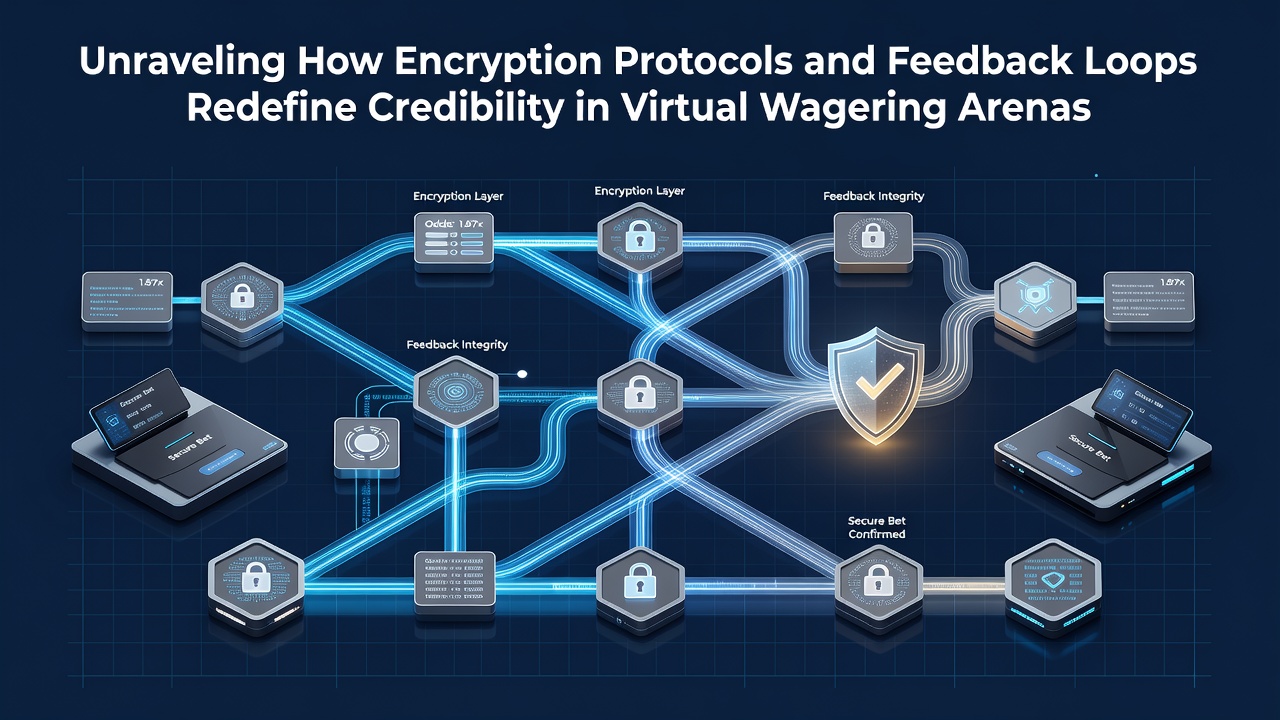
Virtual wagering platforms now depend on layered encryption protocols that secure every transaction and data exchange, while feedback loops from user interactions continuously refine how these systems earn and maintain credibility. Platforms transmit sensitive financial details through protocols such as TLS 1.3, which replaced earlier versions with stronger forward secrecy and reduced handshake times, allowing operators to process bets without exposing account information during transmission.
Regulatory bodies in multiple regions track these implementations closely. The Nevada Gaming Control Board requires online operators to maintain encryption standards that meet federal guidelines for financial data protection, and similar rules appear in licensing frameworks across several jurisdictions. When encryption falls short, platforms face license reviews or operational restrictions, which directly affects their ability to attract players who expect verified safety measures.
Encryption Protocols at Work in Digital Betting
Modern encryption goes beyond basic SSL certificates to include end-to-end protections for payment gateways and user authentication systems. Operators integrate AES-256 for stored data alongside real-time TLS sessions that rotate keys frequently, reducing the window for interception during live betting sessions. These technical choices create measurable differences in breach incident rates, according to reports from industry monitoring groups that compare licensed versus unlicensed sites.
June 2026 marks the rollout of updated technical specifications from several European gaming authorities that emphasize quantum-resistant algorithms in pilot programs. Platforms adopting these ahead of deadlines gain early compliance advantages, which then appear in independent audit summaries published by testing laboratories. Players notice these distinctions through visible security badges and third-party verification seals that link directly to audit reports.
Feedback Loops Connecting User Input to Platform Adjustments
Feedback mechanisms operate as continuous cycles where complaint data, review scores, and support interaction logs feed back into operational changes. A platform might adjust withdrawal processing times after aggregated user reports highlight delays, then publish updated metrics that demonstrate the correction. This process creates documented trails that independent reviewers examine when assigning credibility ratings.
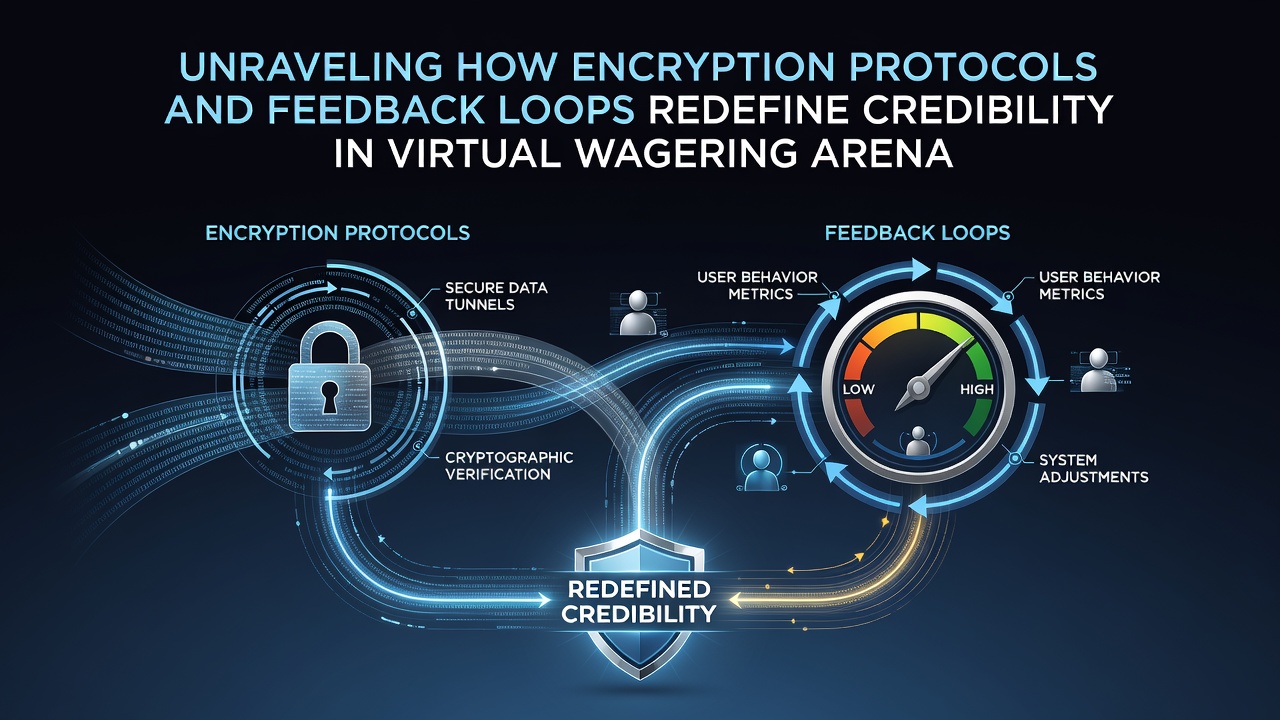
Research from the University of Nevada's gaming studies program shows that platforms with shorter average response times to complaints maintain higher retention figures over twelve-month periods. These findings emerge from analysis of public complaint databases and operator disclosure filings rather than internal metrics alone. The patterns indicate that transparent handling of feedback correlates with sustained user activity across multiple game categories.
Combined Effects on Platform Credibility Metrics
When encryption strength and feedback responsiveness operate together, credibility scores reflect both technical safeguards and demonstrated responsiveness. Auditors combine penetration test results with complaint resolution statistics to produce composite evaluations that appear on comparison sites and regulatory dashboards. Operators that score well in both areas receive priority placement in search rankings and affiliate recommendations.
One documented case involves an operator that upgraded its key management system after feedback revealed user concerns about account recovery processes. Post-upgrade audits recorded a 40 percent reduction in related support tickets, and the platform subsequently published the audit summary alongside revised security documentation. Such examples appear regularly in annual reports from gaming trade associations that track industry-wide improvements.
Cross-border operators face additional complexity because encryption requirements vary by jurisdiction. A platform licensed in both North America and Asia must satisfy distinct certificate validation rules while maintaining unified feedback collection systems that route region-specific complaints to the correct compliance teams. This dual structure appears in licensing applications submitted to multiple authorities simultaneously.
Future Developments and Ongoing Monitoring
Industry organizations including the American Gaming Association continue to publish guidance on emerging encryption methods and best practices for feedback integration. These documents reference ongoing academic work that models how changes in one area influence outcomes in the other. Platforms that align their internal systems with these recommendations often see corresponding shifts in third-party trust indices.
Data collection methods for feedback loops now incorporate automated sentiment analysis of chat transcripts and review text, which accelerates identification of recurring issues. When combined with encryption audit logs, these tools allow operators to correlate specific technical vulnerabilities with user-reported problems. The resulting insights inform both immediate patches and longer-term protocol upgrades.
Conclusion
Encryption protocols and feedback loops function as interdependent systems that shape how virtual wagering environments establish and sustain credibility. Technical standards protect data flows while user-driven cycles identify weaknesses and verify corrections. Regulatory updates scheduled around June 2026 will further standardize certain encryption practices across regions, while feedback mechanisms continue to supply real-time performance indicators. Observers tracking these developments note measurable shifts in compliance records and user activity patterns tied directly to these combined safeguards.