Feedback Loops in Action: How Aggregated Player Reports Refine Payment Security Benchmarks Across Betting Platforms
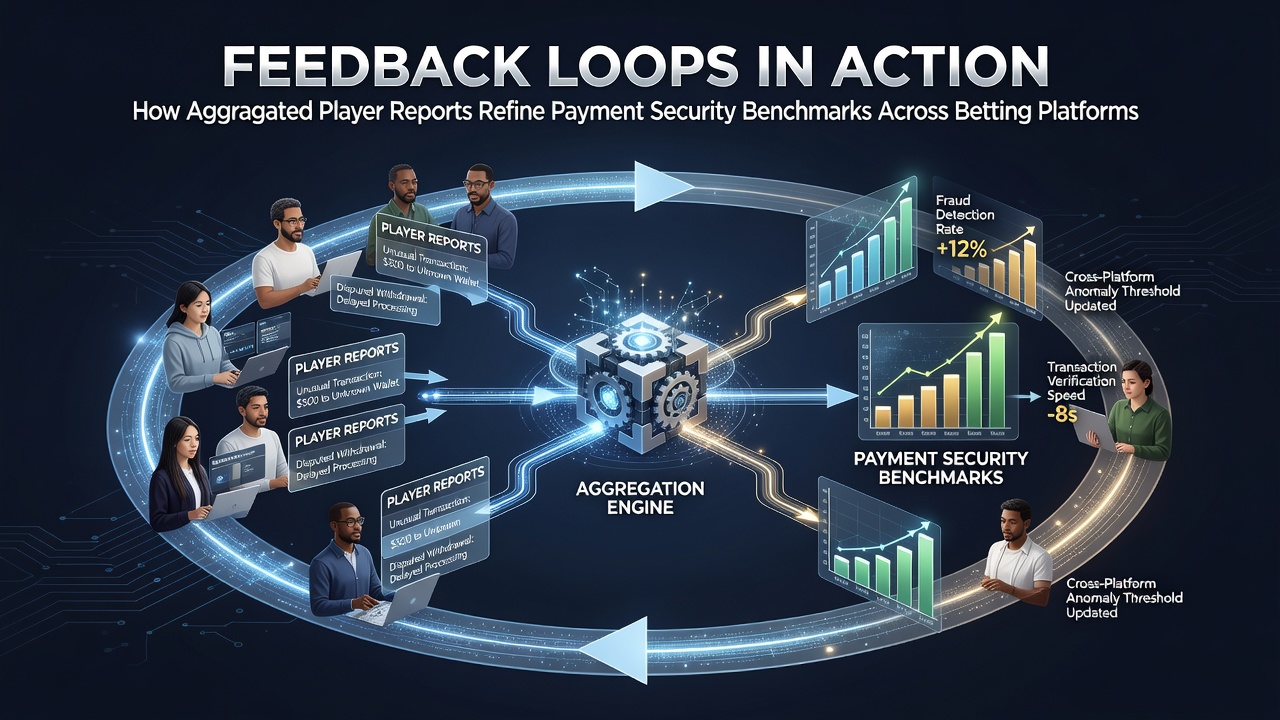
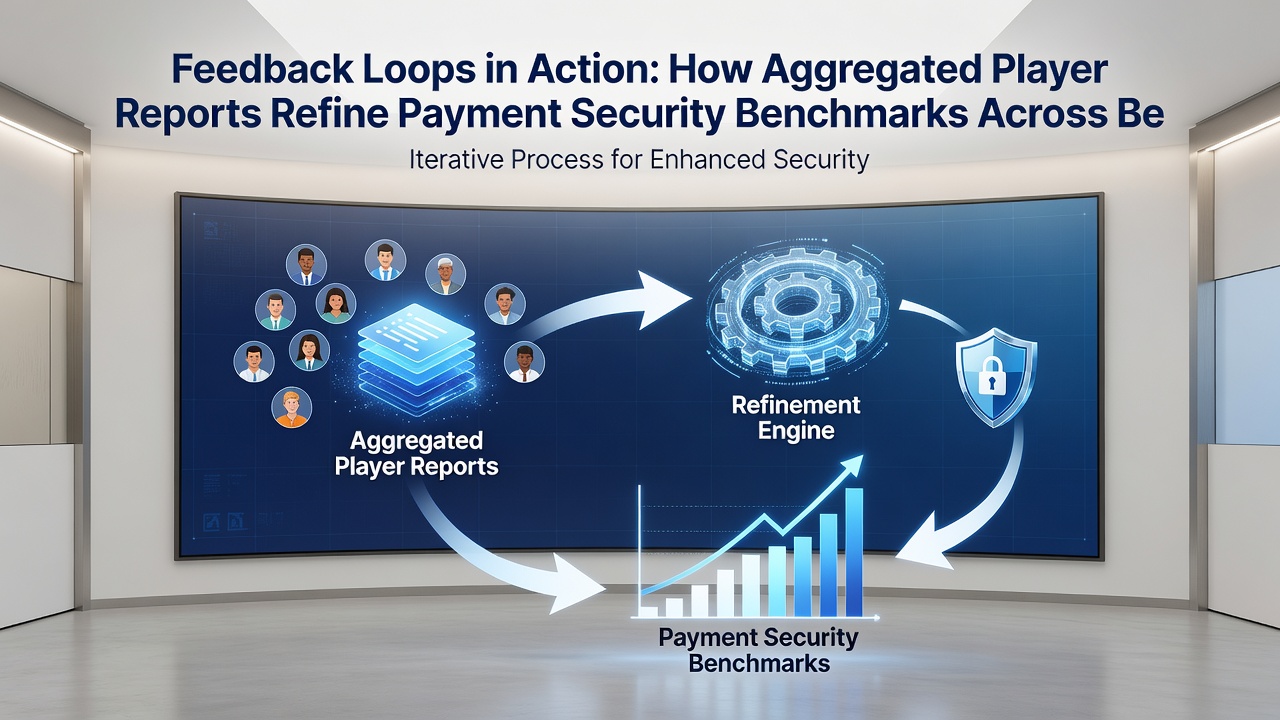
Payment security in betting platforms relies on continuous refinement through data streams that originate from user interactions and transaction outcomes, and aggregated player reports serve as the primary input that shapes those benchmarks over time. Operators collect details about failed authorizations, unusual withdrawal patterns, and suspected fraud attempts directly from account holders, then compile these inputs into datasets that reveal systemic vulnerabilities across multiple jurisdictions.
Data Collection Mechanisms Driving Initial Feedback
Betting platforms integrate reporting tools into their payment interfaces so users can flag issues such as delayed transfers or mismatched verification steps without leaving the transaction flow, and these submissions feed into centralized systems that categorize entries by error type, amount range, and geographic location. Research from the University of Nevada Gaming Studies indicates that platforms processing over 500,000 transactions monthly receive report volumes sufficient to identify patterns within days rather than weeks, while smaller operators often combine reports with third-party monitoring services to reach comparable sample sizes.
Aggregation Processes and Benchmark Adjustments
Once collected, the reports undergo statistical aggregation that weights individual submissions according to verification status and repeat occurrences from the same account clusters, and this process produces updated thresholds for acceptable authorization failure rates and maximum allowable processing delays. Platforms adjust their internal benchmarks quarterly based on these aggregates, raising security requirements when fraud indicators cluster around specific payment methods or lowering them when verified reports show consistent performance improvements. Observers note that such adjustments occur more frequently in markets with high transaction velocity, where the volume of reports accelerates pattern detection.
Regional Variations in Report Utilization
European operators tend to align aggregated findings with directives from the European Gaming and Betting Association, which publishes periodic guidance on payment protocol updates derived from cross-border complaint data, whereas North American platforms reference standards from the Nevada Gaming Control Board that incorporate similar feedback loops but emphasize state-level compliance audits. Australian regulators apply comparable aggregation methods through their oversight of licensed wagering services, and studies show that platforms operating in multiple regions synchronize their benchmarks by blending local report trends with international datasets to maintain consistent security levels.
Integration with Emerging Standards in Mid-2026
Updates scheduled for rollout in June 2026 introduce additional reporting categories focused on biometric verification failures and cryptocurrency transaction anomalies, and aggregated data from pilot programs already demonstrates measurable reductions in unauthorized access attempts when platforms apply the refined benchmarks ahead of the formal deadline. These changes build on existing feedback mechanisms rather than replacing them, allowing operators to test new thresholds against historical report archives before full implementation. Those monitoring the transition report that early adopters achieve faster alignment with the updated requirements because their aggregation pipelines already handle high report volumes efficiently.
Case Examples of Benchmark Refinement
One operator handling European and Canadian markets revised its withdrawal confirmation protocols after aggregated reports highlighted repeated delays exceeding 48 hours for users in specific time zones, and subsequent benchmarks incorporated time-of-day adjustments that reduced average resolution times by measurable margins. Another platform serving Australian customers responded to clustered reports of payment method incompatibilities by raising minimum encryption standards for those channels, an action that decreased related complaint volumes in the following reporting period. Such cases illustrate how localized report clusters drive targeted refinements that then propagate into broader industry benchmarks through shared data exchanges.
Challenges in Maintaining Report Quality
Platforms must filter out duplicate or unverifiable submissions to preserve the integrity of aggregated datasets, and algorithms that cross-reference report details against transaction logs help achieve this while preserving the overall signal strength. Incomplete reports that lack sufficient context require follow-up prompts within the user interface, yet the additional step can reduce submission rates if users perceive it as cumbersome. Industry reports emphasize that balancing verification rigor with user convenience remains an ongoing calibration task informed by the same feedback loops that shape the security benchmarks themselves.
Conclusion
Aggregated player reports continue to function as the core mechanism that refines payment security benchmarks across betting platforms by converting individual transaction experiences into actionable dataset adjustments. The process operates through established collection, aggregation, and application stages that adapt to regional requirements and upcoming 2026 standard updates, and operators that maintain robust pipelines gain measurable improvements in fraud detection and transaction reliability. External sources such as University of Nevada gaming research and European Gaming and Betting Association publications document these dynamics across different regulatory environments, confirming that feedback-driven refinement represents a sustained operational practice rather than a temporary measure.