Following Deposit Flows: How Patterns Expose Exclusion Tool Limitations in Gambling Sites
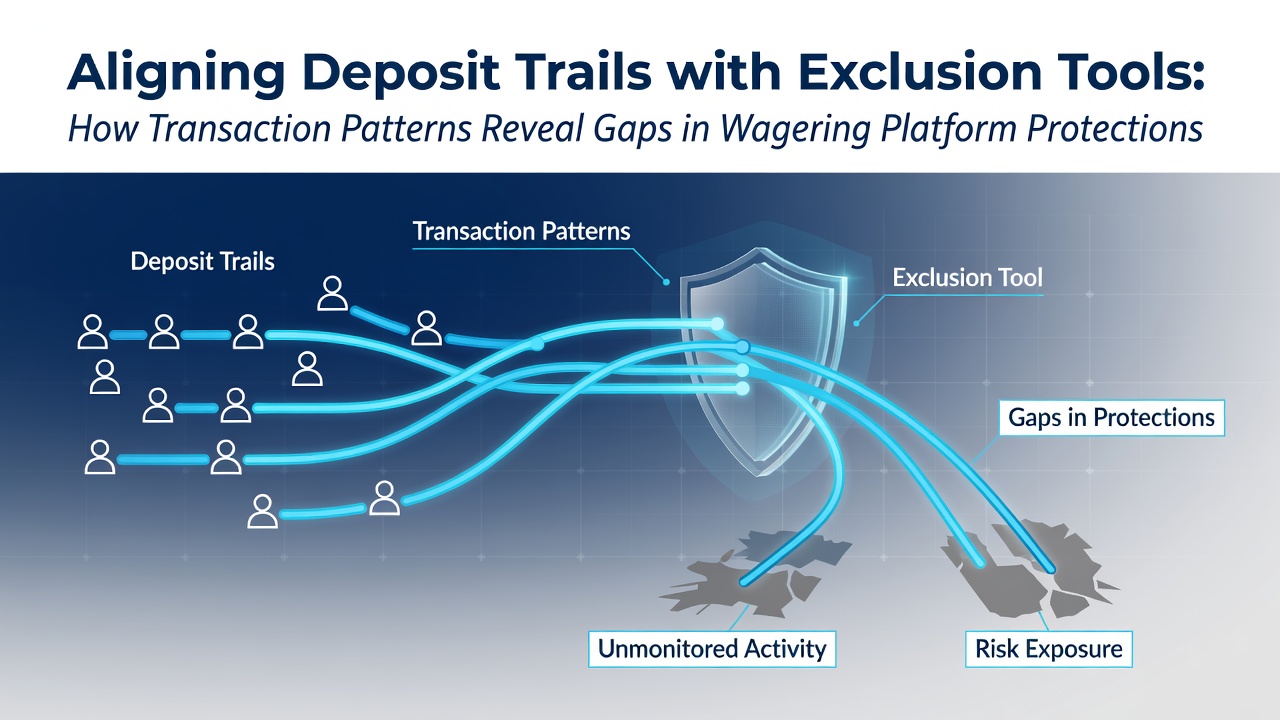
Deposit records create detailed timelines that platforms can cross-reference against active exclusion lists, yet gaps persist when those records fail to trigger automatic blocks or manual reviews. Observers note that many systems still rely on fragmented data streams where a single deposit might pass through without full reconciliation against exclusion databases, allowing continued activity even after users have requested restrictions.
Core Components of Deposit Tracking
Transaction logs capture amounts, frequencies, payment methods, and timestamps, forming the raw material for pattern analysis across wagering accounts. Researchers have documented how clustered micro-deposits often precede larger wagers, a sequence that exclusion protocols should flag when linked to previously restricted identifiers such as email addresses or device fingerprints. Data indicates these logs become especially valuable when aggregated over weeks rather than examined in isolation, revealing inconsistencies that single-transaction checks overlook.
Exclusion Tools and Their Integration Points
Self-exclusion programs require users to register across multiple operators, but alignment depends on whether deposit processors feed real-time signals into central registries. In practice, delays between registration and enforcement can span several hours, during which accounts remain open to new funding attempts. Studies from the National Council on Problem Gambling show that integration failures most commonly occur at the payment gateway layer, where legacy systems do not automatically query exclusion status before authorizing transfers.
Multi-factor verification adds another layer, combining account-level blocks with device and IP restrictions, yet transaction patterns sometimes bypass these when users employ virtual payment instruments or shared accounts. Those who've examined operator compliance reports note that successful exclusions correlate strongly with platforms that enforce deposit halts within minutes of registry updates rather than relying on daily batch processes.
Patterns That Signal Protection Shortfalls
Repeated small deposits spaced minutes apart often indicate testing of exclusion boundaries, particularly when followed by rapid withdrawals or transfers to other accounts. Evidence suggests such sequences appear more frequently on platforms without automated velocity checks tied directly to exclusion databases. Another recurring indicator involves sudden shifts in payment method after an exclusion request, such as moving from bank transfers to e-wallets that operate under separate verification rules.

Geographic clustering of deposits from regions with weaker regulatory oversight also surfaces in analyses, especially when accounts show prior exclusion activity in stricter jurisdictions. According to findings published by the Australian Institute of Family Studies, cross-border operators face heightened difficulty maintaining consistent exclusion enforcement when deposit trails span multiple licensing regimes with differing data-sharing requirements.
Regulatory Responses and Technical Adjustments
Canadian provincial regulators have piloted enhanced data-sharing protocols that require deposit processors to query exclusion status before completing any funding action, reducing the window for unauthorized activity. Similar pilots in several European markets have focused on standardizing API connections between payment providers adn central exclusion registers, allowing near-instantaneous halts. July 2026 updates to these frameworks in select jurisdictions introduced mandatory audit trails for every deposit attempt against exclusion lists, creating verifiable records that operators must retain for compliance reviews.
Industry groups such as the European Gaming and Betting Association have published technical guidelines recommending real-time matching of deposit metadata against exclusion entries, including device identifiers and hashed personal details. Implementation varies, however, with smaller operators often lagging behind larger platforms that possess resources for continuous system upgrades.
Conclusion
Transaction patterns provide measurable indicators of where exclusion tools fall short, particularly when deposit trails reveal continued funding activity after restriction requests. Alignment improves when platforms enforce immediate checks at the payment stage and maintain synchronized data feeds with exclusion registries. Observers continue to track how technical refinements and cross-jurisdictional cooperation affect the frequency of these gaps, with ongoing pilots demonstrating measurable reductions in unauthorized deposit success rates.