From Deposit to Payout: The Chain of Safeguards That Define Reliable Digital Wagering Experiences
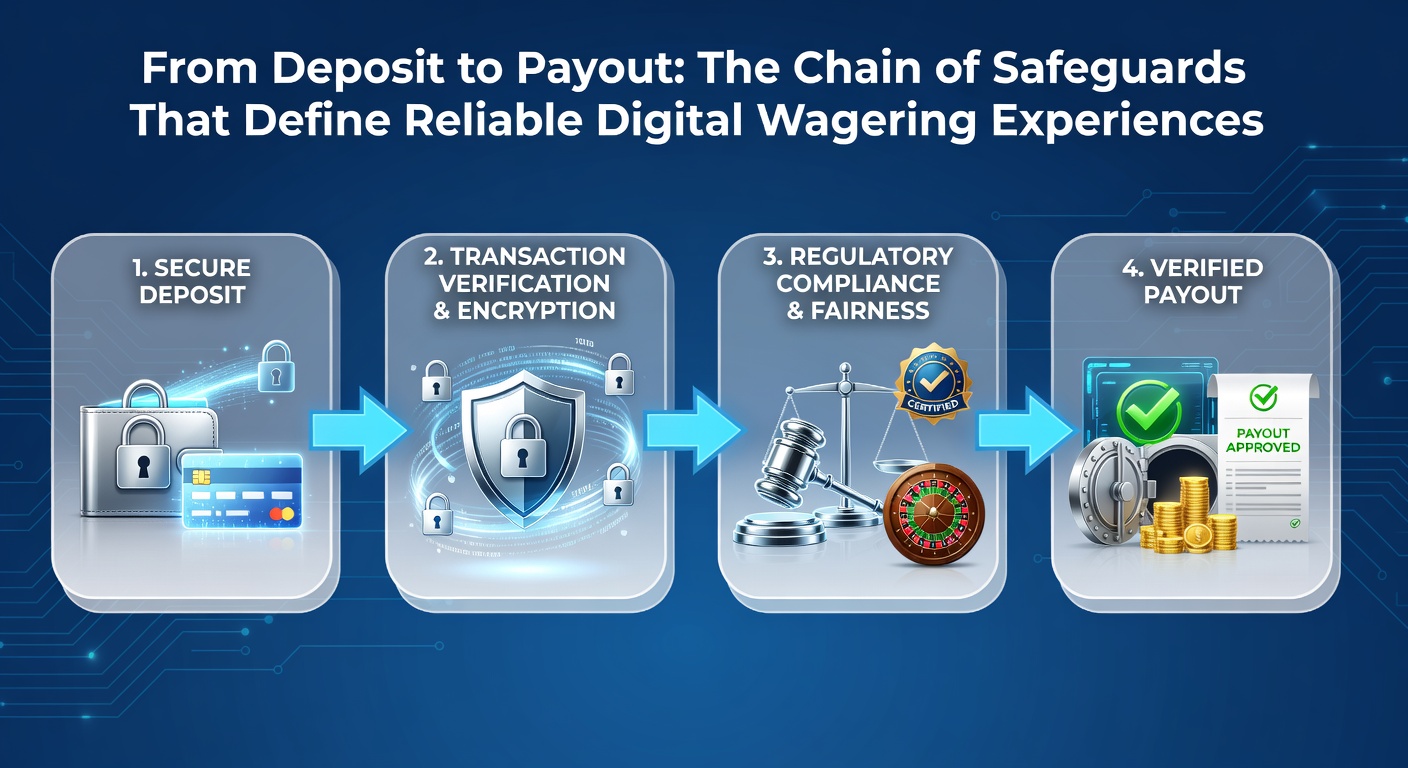
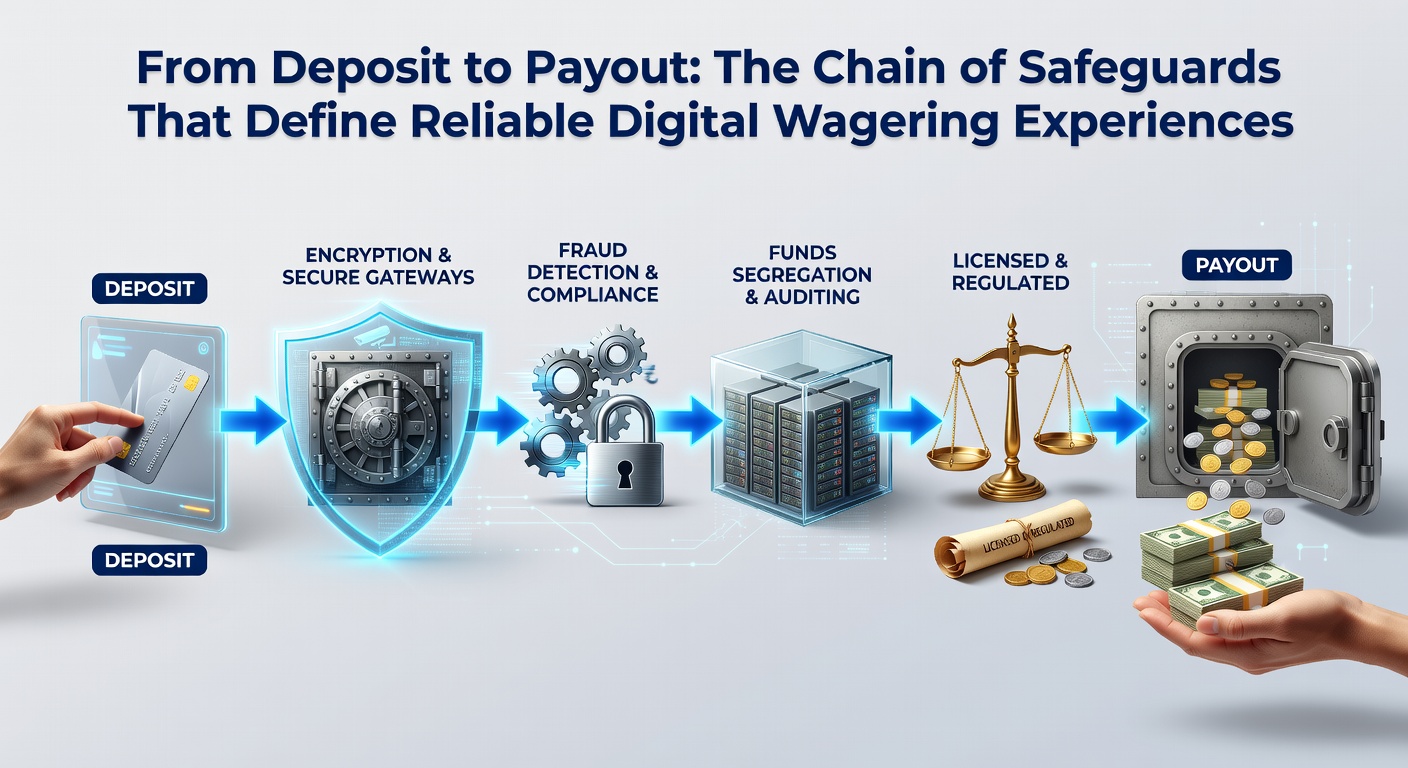
Digital wagering platforms rely on layered verification systems that begin the moment a user initiates a deposit and continue through every transaction until funds reach the player's account; these mechanisms work together to maintain integrity across the entire process. Regulatory frameworks in various jurisdictions establish baseline requirements for encryption standards, identity checks, and transaction monitoring, while platforms implement additional layers such as real-time fraud detection algorithms and segregated account structures.
Payment gateways serve as the first checkpoint where banking details undergo encryption using protocols like TLS 1.3, and transaction data routes through certified processors that flag unusual patterns before funds even clear. In practice this means deposits from verified sources move forward quickly, whereas those triggering alerts face temporary holds that prompt further review by compliance teams.
Initial Verification Layers at Deposit Stage
Operators integrate automated systems that cross-reference provided details against multiple databases, confirming age, residency, and payment method ownership within seconds of submission. These checks draw from public records and private credit bureaus to build a risk profile that determines whether an account receives immediate approval or enters a manual queue for deeper scrutiny.
What's interesting is how multi-factor authentication extends beyond passwords to include device fingerprinting and behavioral analytics that track mouse movements and typing rhythms; deviations from established patterns can halt processing until the user confirms identity through a secondary channel. Data from industry reports indicates that such systems reduce unauthorized access attempts by substantial margins across major markets.
Transaction Monitoring During Active Play
Once funds sit in the gaming wallet, continuous oversight takes over through algorithms that scan for irregular betting volumes, rapid deposit-withdrawal cycles, and connections to known high-risk entities. Platforms maintain logs that regulators can audit on demand, creating a transparent trail that supports both routine compliance and targeted investigations.
Game providers subject random number generators to independent testing by accredited laboratories that certify fairness percentages and payout distributions; these evaluations occur at regular intervals and whenever software updates roll out. Observers note that certification seals displayed on sites correspond to specific testing agencies whose methodologies align with international standards adopted in regions such as North America and parts of Asia.
Responsible gaming tools integrate directly into the account dashboard, allowing users to set deposit limits, session timers, and self-exclusion periods that the system enforces automatically without requiring manual intervention from support staff. Updates scheduled for May 2026 in several European frameworks will require platforms to incorporate real-time notifications when players approach their chosen thresholds, further tightening these controls.
Withdrawal Authorization and Final Payout Steps
Withdrawal requests trigger a second round of verification that often repeats elements of the initial KYC process, including fresh document uploads and confirmation of banking details to prevent diversion of funds. Processing times vary according to method, with e-wallets typically clearing faster than bank transfers because they bypass some intermediary clearing houses.
Yet the underlying safeguard remains consistent: every payout undergoes anti-money laundering screening that checks against sanctions lists and suspicious activity reports filed with relevant authorities. New Jersey Division of Gaming Enforcement guidelines outline specific thresholds that prompt enhanced due diligence, ensuring larger withdrawals receive additional scrutiny before release.
Segregated player funds held in separate accounts from operational capital provide another structural protection; in the event of platform difficulties these reserves remain accessible for settlement. Industry associations such as the European Gaming and Betting Association publish periodic reviews showing how operators maintain these reserves at percentages that exceed minimum regulatory mandates.
Cross-Border Compliance and Technology Integration
Platforms operating across multiple jurisdictions must reconcile differing rules on data retention, tax reporting, and player fund protection; automated compliance engines handle much of this reconciliation by routing transactions through jurisdiction-specific modules. Researchers at academic institutions studying digital finance have documented how blockchain-based ledgers are beginning to supplement traditional audit trails, offering immutable records that speed up dispute resolution when discrepancies arise.
Customer support teams trained in regulatory requirements serve as the human element that resolves edge cases the automated systems cannot address; response protocols require escalation to specialized compliance officers when patterns suggest potential issues like account sharing or third-party funding. These interactions generate additional data points that feed back into the monitoring algorithms, refining detection capabilities over time.
Conclusion
The sequence from deposit to payout forms an interconnected chain where each safeguard reinforces the next, creating cumulative protection that regulatory bodies monitor through ongoing audits and reporting obligations. Technology continues to evolve with advances in artificial intelligence and data analytics, yet the fundamental requirement remains consistent verification at every transfer point. Platforms that maintain transparent records and adhere to established testing protocols demonstrate measurable reliability in transaction handling across diverse markets.