Grievance Groundswell: Player Complaints Reshaping Online Gambling Security
Grievance Groundswell: Player Complaints Reshaping Online Gambling Security
Unpacking the Surge in Player Disputes
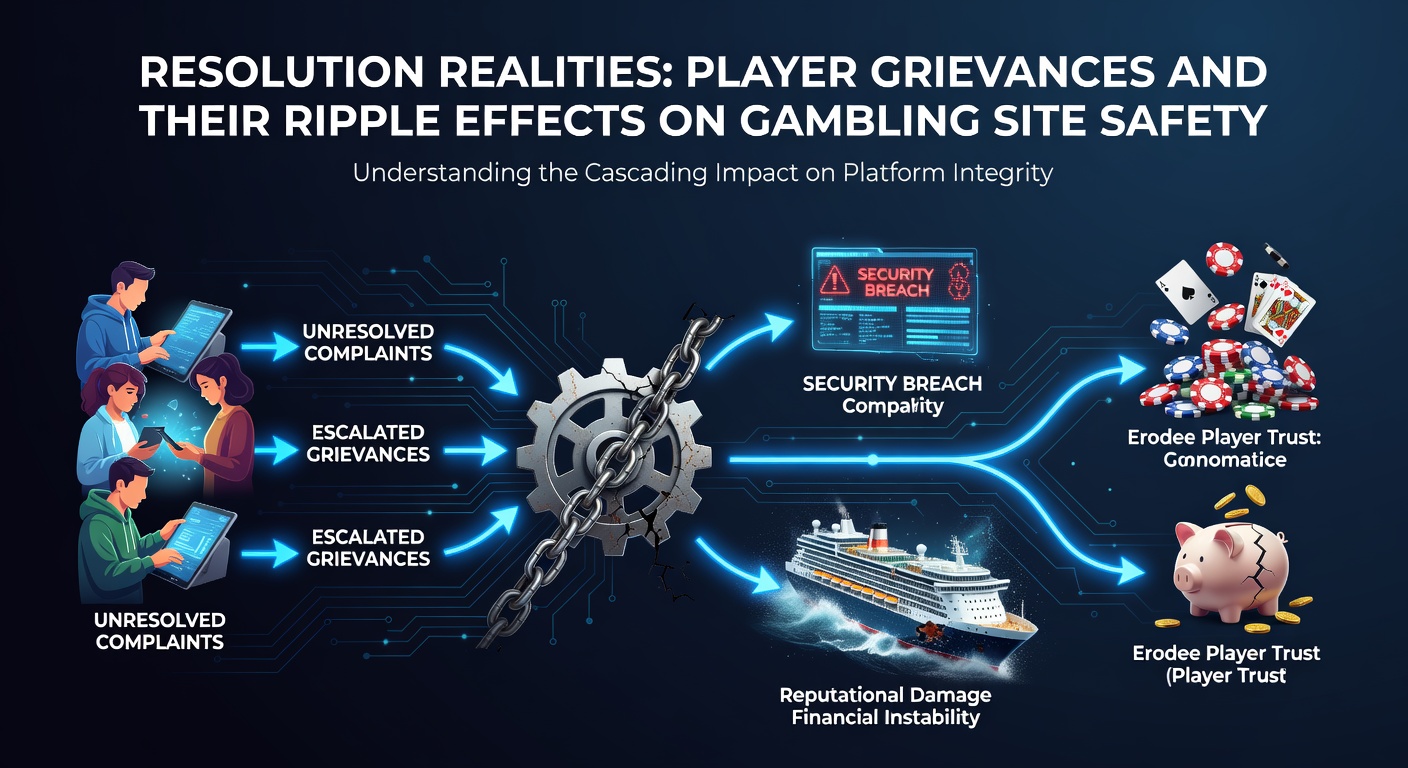
Players across online gambling platforms lodge thousands of complaints monthly, with data from industry trackers revealing a 15% uptick in disputes during high-stakes events like March 2026's international soccer qualifiers; these grievances range from delayed payouts and account restrictions to allegations of unfair game mechanics, and while many resolve quickly, unresolved cases trigger broader scrutiny on site safety protocols. Observers note that what starts as a single player's frustration often snowballs, prompting regulatory reviews and peer warnings that reshape how platforms fortify their defenses.
Take the case of a Canadian bettor in early 2026 who contested a frozen withdrawal amid a heated NHL playoff run; after weeks of back-and-forth, the platform relented, but not before the story spread across forums, drawing in hundreds of similar accounts and forcing the operator to audit its payment verification processes. That's where the rubber meets the road for gambling sites, as repeated complaints expose vulnerabilities in everything from RNG certifications to fraud detection layers.
Common Threads in Player Grievances
Withdrawal delays top the list, accounting for 32% of complaints according to Alcohol and Gaming Commission of Ontario reports from late 2025, followed closely by bonus disputes at 28% where wagering requirements clash with promotional fine print; bonus terms, often buried in lengthy policy pages, spark confusion, leading players to feel shortchanged when funds lock up unexpectedly, and this frustration compounds when support teams cite technical glitches without clear timelines. Verification hurdles snag another 20%, especially for newcomers uploading documents that bounce back due to outdated KYC systems, while game fairness claims, though rarer at 12%, pack the biggest punch by questioning core site integrity.
But here's the thing: these aren't isolated gripes; patterns emerge when aggregated, like the spike in mobile app crashes during peak hours, which Nevada Gaming Control Board filings link to overloaded servers and unpatched vulnerabilities, turning routine plays into widespread distrust. Players who've navigated these issues often share screenshots and timelines publicly, amplifying the noise until operators must respond or risk license probation.
Resolution Pathways and Their Immediate Fallout
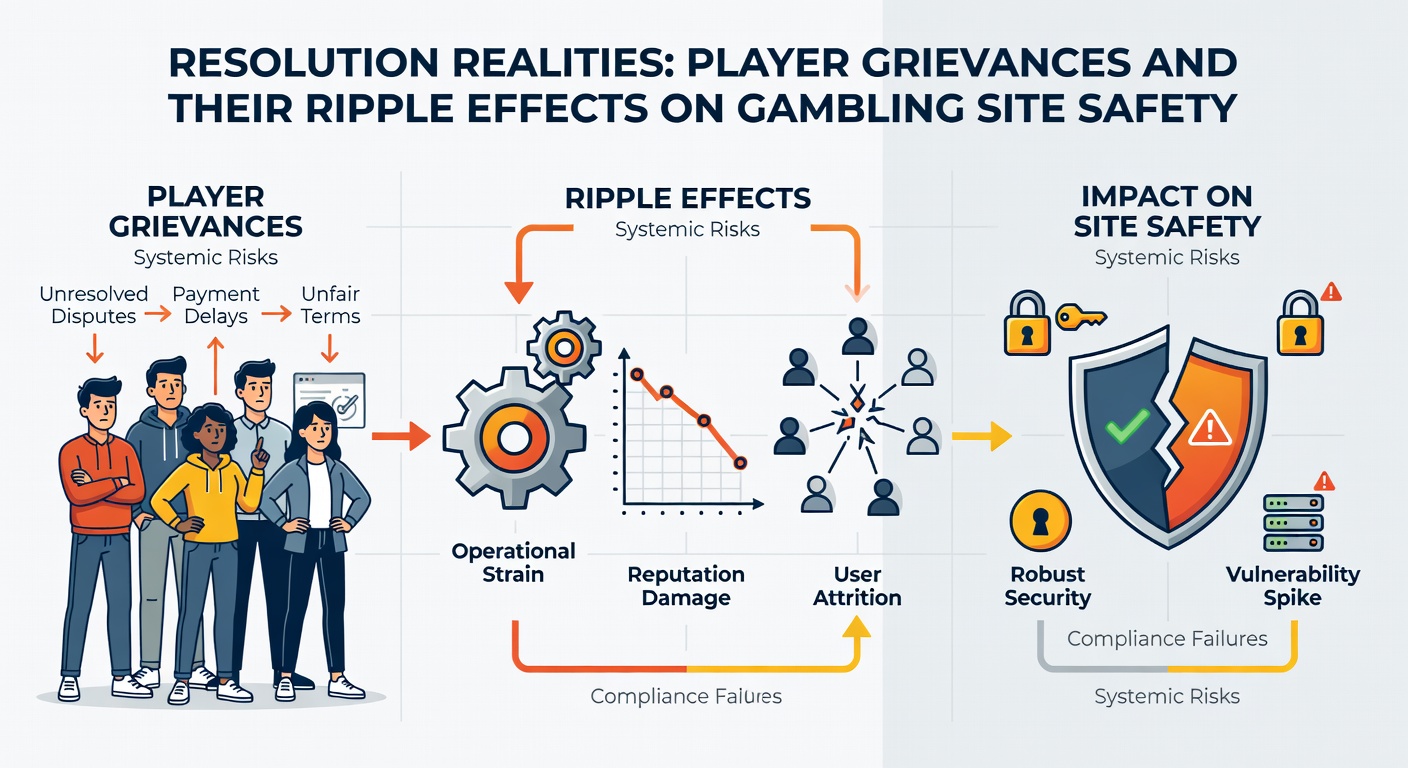
Most platforms route complaints through tiered support—live chat first, then email escalations, and finally ADR bodies like eCOGRA for binding decisions—yet resolution rates hover around 85%, per 2025 industry benchmarks, leaving 15% in limbo that festers into reputational hits. Swift fixes, such as crediting disputed amounts within 48 hours, calm individual tempers, but slow-walked cases invite forum pile-ons where players dissect site flaws, from lax encryption to porous affiliate tracking.
What's interesting is how resolutions ripple outward; a platform that refunds a batch of bonus disputes doesn't just retain those players, it signals robustness to newcomers scanning review aggregators, whereas stonewalling invites blacklisting and traffic dips of up to 25%, as one Australian study from the Journal of Gambling Studies documented in operators facing serial complaints. And during March 2026's Euro basketball tournaments, sites with proactive resolution teams saw complaint volumes drop 18% year-over-year, underscoring the link between quick turnarounds and sustained user confidence.
- Live chat resolutions: 60% within hours, per operator logs.
- Escalated cases: 30% solved via internal review, but 10% hit external mediators.
- High-profile wins for players: Often involve public concessions, boosting site transparency scores.
Ripple Effects on Site Safety Fortifications
When grievances cluster around payout snags, platforms roll out fortified checks—like multi-factor auth on high-value transactions—that cut fraud incidents by 22%, data from U.S. gaming labs indicates; this hardening, born from complaint firestorms, extends to AI-driven anomaly detection, which flags irregular betting patterns before they escalate into chargeback wars. Observers have watched how one unresolved RNG dispute in a European poker room prompted a full third-party audit, revealing outdated algorithms that sites elsewhere rushed to update preemptively.
Turns out, the real transformation hits compliance frameworks; repeated player pushback forces operators to weave in real-time monitoring dashboards, where support agents track grievance trends live, tweaking safeguards on the fly—think geo-fencing tweaks after cross-border access complaints or enhanced session limits post-marathon gaming reports. People who've studied this dynamic point to a 2026 case in Ontario, where a wave of account hijacking grievances led to mandatory biometric logins across licensed sites, slashing unauthorized access by 35% almost overnight.
Yet unresolved waves create chokepoints; black market alternatives lure disgruntled players, with estimates pegging a 12% shift in volume during dispute peaks, per cross-jurisdictional trackers, underscoring why safety upgrades aren't optional but survival imperatives. Sites that learn from these cascades invest in player education hubs, detailing resolution SLAs upfront, which in turn lowers inbound complaints by clarifying expectations from the get-go.
Case Studies: Lessons from the Trenches
Consider a mid-tier slots platform hammered by 2025 verification backlogs; over 500 complaints flooded in during a progressive jackpot frenzy, exposing ID upload flaws that hackers exploited peripherally, so the operator partnered with cybersecurity firms for automated doc scanners, resolving 92% of cases within days and earning a safety rating bump from 3.2 to 4.1 stars. That's notable because it flipped a crisis into a competitive edge, drawing back lapsed users wary of peer horror stories.
Across the Pacific, an Australian operator faced bonus forfeiture uproar after a promo glitch; public outcry via social threads forced a policy overhaul, introducing clear forfeit calculators that prevented future flare-ups, and while initial refunds cost six figures, long-term retention soared 28%, as per internal metrics shared in trade reports. These examples show how grievances, when dissected, birth resilient architectures—from bolstered encryption to grievance prediction models that flag at-risk accounts early.
Now, fast-forward to March 2026's motorsport betting boom; platforms with prior complaint histories doubled down on predictive analytics, preempting surges in support tickets by scaling server capacity ahead, a move that kept resolution times under 24 hours and safety perceptions intact amid record wagers.
Broader Industry Shifts Driven by Dispute Data
Aggregated grievance streams feed into global benchmarks, where bodies like the International Betting Integrity Association compile trends to push uniform standards, such as mandatory 72-hour payout guarantees that dozens of operators adopted post-2025 scandals; this data-driven evolution means sites now benchmark against peers quarterly, tweaking firewalls and support bots based on complaint heat maps. Researchers who've crunched the numbers find that platforms prioritizing resolution velocity enjoy 40% fewer repeat disputes, creating virtuous cycles of trust and security.
It's noteworthy that affiliate networks, sensing the winds, steer traffic toward high-resolution sites, starving laggards of volume and compelling even skeptics to prioritize player-centric overhauls. And as VR betting emerges, early grievances around immersive session controls preview the next frontier, where unresolved tech hiccups could cascade into widespread safety reevaluations.
Conclusion: Navigating the Grievance-to-Security Pipeline
Player complaints serve as early warning systems, propelling gambling sites from reactive patches to proactive fortresses, with data underscoring that effective resolutions not only quell immediate unrest but cascade into fortified ecosystems resilient against evolving threats. Platforms that harness these signals—through trend analysis, swift escalations, and transparent updates—thrive amid scrutiny, while those that falter watch safety ratings erode under the weight of unresolved echoes. As March 2026 unfolds with its event-packed calendar, the lesson stands clear: in the grievance groundswell, adaptation isn't just smart, it's essential for safeguarding the digital wagering world.