KYC Labyrinth: Charting Identity Trails Through Online Gambling Gateways
KYC Labyrinth: Charting Identity Trails Through Online Gambling Gateways
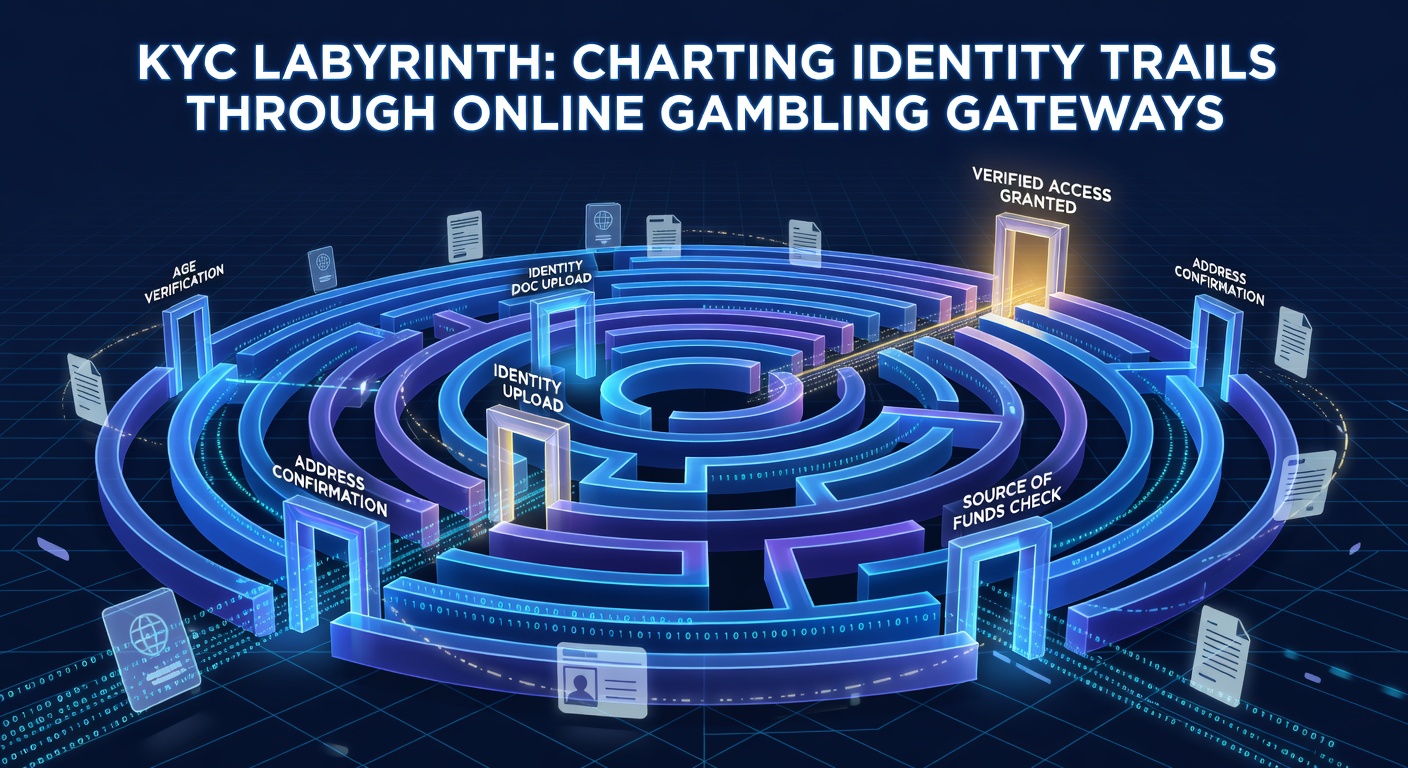
Navigating the Core of KYC in Digital Wagering Worlds
Online gambling platforms rely heavily on Know Your Customer (KYC) processes to verify user identities, a practice that traces back to anti-money laundering directives from the early 2000s, when regulators first mandated financial institutions to scrutinize client backgrounds; today, these checks form the backbone of secure betting environments, ensuring players are who they claim while blocking illicit activities like underage access or fraud rings. Data from global industry reports shows KYC compliance reduces suspicious transactions by up to 40% in licensed operations, yet the path through these gateways often twists into a labyrinth of document uploads, facial scans, and address proofs that can stretch verification times from minutes to weeks, leaving genuine users frustrated even as operators fortify defenses against sophisticated identity thieves.
Experts who've mapped these trails note how KYC evolved from simple ID checks to multilayered systems, incorporating real-time data cross-references with government databases and third-party verifiers; take one case where a major European platform integrated biometric tools in 2024, slashing false positives by 25% according to internal audits released last year. But here's the thing: while these advancements streamline legitimate paths, bad actors exploit gaps, using stolen credentials or deepfakes to infiltrate, which prompts platforms to layer on ever-more rigorous hurdles.
The Building Blocks of Identity Verification Gateways
At the entry point, players typically submit government-issued IDs like passports or driver's licenses, followed by proof of address such as utility bills no older than three months, and sometimes even bank statements to link financial trails; platforms then employ automated optical character recognition to extract data, cross-checking against watchlists maintained by bodies like the U.S. Financial Crimes Enforcement Network (FinCEN), which flags high-risk individuals tied to sanctions or terror financing. What's interesting is how this initial scan feeds into enhanced due diligence for high-rollers, where source-of-funds queries dig deeper, requesting payslips or tax returns to trace betting capital back to legitimate origins.
And then come the tech-driven layers: facial recognition software compares live selfies against ID photos, achieving 99% accuracy in controlled tests per studies from the Malta Gaming Authority, although lighting variances or masks can trigger manual reviews; blockchain-based solutions, meanwhile, offer immutable digital passports, piloted by Australian operators under state licensing rules, allowing seamless porting of verified identities across sites without re-uploading docs. Observers point out that in April 2026, as major events like the Melbourne Cup approached, platforms ramped up these tools, processing surges in verifications without widespread delays, thanks to AI algorithms that prioritize low-risk profiles.
Yet the labyrinth deepens with ongoing monitoring: post-registration, transaction patterns trigger re-verifications, such as sudden deposit spikes or geographic shifts detected via IP geolocation, ensuring platforms stay ahead of account takeovers where hackers launder funds through rapid bets and cashouts.
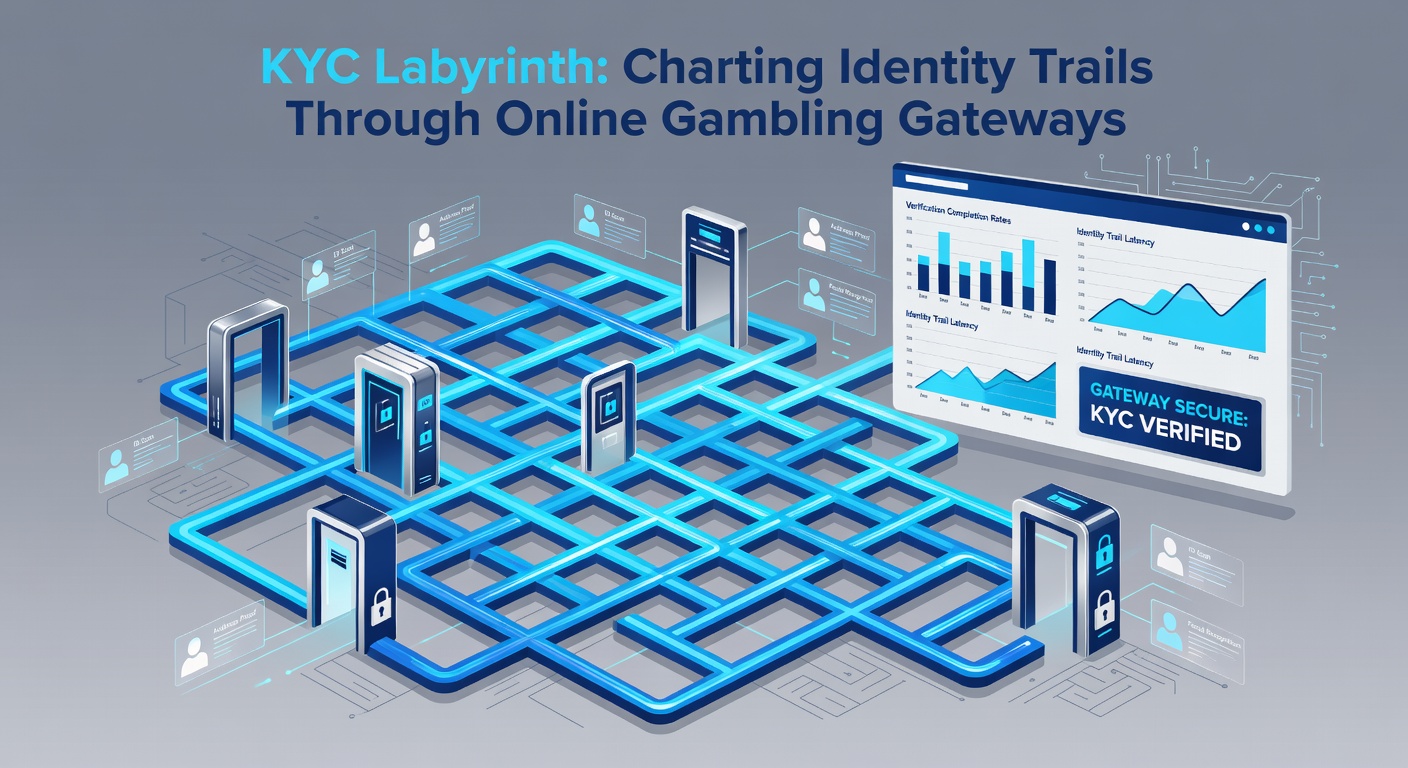
Challenges and Friction Points in the Verification Maze
Players often encounter bottlenecks when documents expire mid-process or fail scans due to poor image quality, leading to loops of resubmissions that research from Canadian gaming research institutes indicates extend onboarding by an average of 72 hours; one study revealed that 15% of users abandon accounts during these snags, handing black-market sites an unintended edge with laxer checks. Turns out, regional variances add complexity: U.S. state regulators demand social security number validations tied to IRS data, while EU platforms grapple with GDPR consent rules that require explicit opt-ins for data sharing, balancing privacy against fraud prevention.
So operators innovate with one-click verifiers like those from Onfido or Jumio, which pull from hundreds of global databases in seconds, but false rejections persist, especially for newcomers from underrepresented regions whose IDs lack machine-readable zones. There's this case from a 2025 Ontario report where enhanced KYC cut problem gambling signals by 30% through better age and affluence profiling, yet it highlighted how immigrant players faced disproportionate hurdles due to non-standard docs from home countries.
Moreover, the rise of crypto gateways complicates trails: while Bitcoin wallets offer pseudonymity, platforms now mandate wallet ownership proofs via signed messages or exchange KYC links, weaving blockchain explorers into the verification fabric to unmask anonymous flows.
Regulatory Landscapes Shaping Global KYC Standards
Around the world, frameworks differ yet converge on core principles: Australia's Interactive Gambling Act enforces KYC for all inbound operators, with the Australian Communications and Media Authority fining non-compliant sites millions in recent crackdowns; in the U.S., Nevada's Gaming Control Board mandates tiered checks scaled to bet sizes, data showing a 20% drop in unlicensed activity post-2024 updates. EU directives under the Fifth Anti-Money Laundering package push for risk-based approaches, where low-stakes casual players skip full scrutiny, freeing resources for VIP trails prone to laundering.
Figures from a 2026 industry whitepaper reveal that harmonized standards, like those trialed in the Nordic PASPA model, could slash verification costs by 35% through shared blacklists, although jurisdictional silos persist, forcing multi-licensed platforms to juggle parallel processes. And in emerging markets like Brazil, where sports betting exploded post-2024 legalization, regulators rolled out phased KYC ramps, starting with basic ID and escalating to biometrics by April 2026 amid World Cup qualifiers hype.
Experts observe how these mandates not only curb crime but also shield players: enhanced KYC flags self-exclusion mismatches, preventing banned individuals from circling back with fake IDs, a tactic that studies peg at 12% of relapse attempts.
Tech Horizons and Future Trails in KYC Evolution
Looking ahead, decentralized identity protocols promise to simplify the labyrinth: self-sovereign IDs on platforms like Microsoft's ION let users control data shares, verifying age or residency zero-knowledge style without exposing full profiles; pilots in New Zealand iGaming circles showed 50% faster onboardings last year. AI-driven behavioral biometrics, analyzing typing patterns and mouse movements, layer passive checks atop active ones, with accuracy rates hitting 95% per lab tests.
But the rubber meets the road in hybrid models blending all this: take Singapore's remote gambling trials, where quantum-resistant encryption secures trails against future hacks, or Canada's AGCO pushing NFC chip reads from mobile wallets for instant proofs. People who've tested these note fewer drop-offs, as the process feels less like a gauntlet and more like a quick handshake.
April 2026 updates from various jurisdictions underscore momentum: enhanced cross-border data pacts between U.S. states and Canadian provinces streamlined verifications for North American tournaments, cutting average times to under 24 hours while boosting detection of syndicated fraud rings.
Conclusion
The KYC labyrinth, with its winding identity trails through online gambling gateways, stands as a critical bulwark against risks, evolving from basic paperwork to sophisticated tech ecosystems that safeguard players and platforms alike; data consistently shows these processes thwart billions in potential illicit flows annually, even as refinements address user frictions. As regulators worldwide tighten meshes and innovators deploy smarter tools, the paths grow clearer, ensuring trustworthy wagering landscapes where verification empowers rather than ensnares, paving the way for safer digital bets well into the future.