Live Casino Streams in the Crosshairs: Tech Fortifications Securing Split-Second Bets
Live Casino Streams in the Crosshairs: Tech Fortifications Securing Split-Second Bets
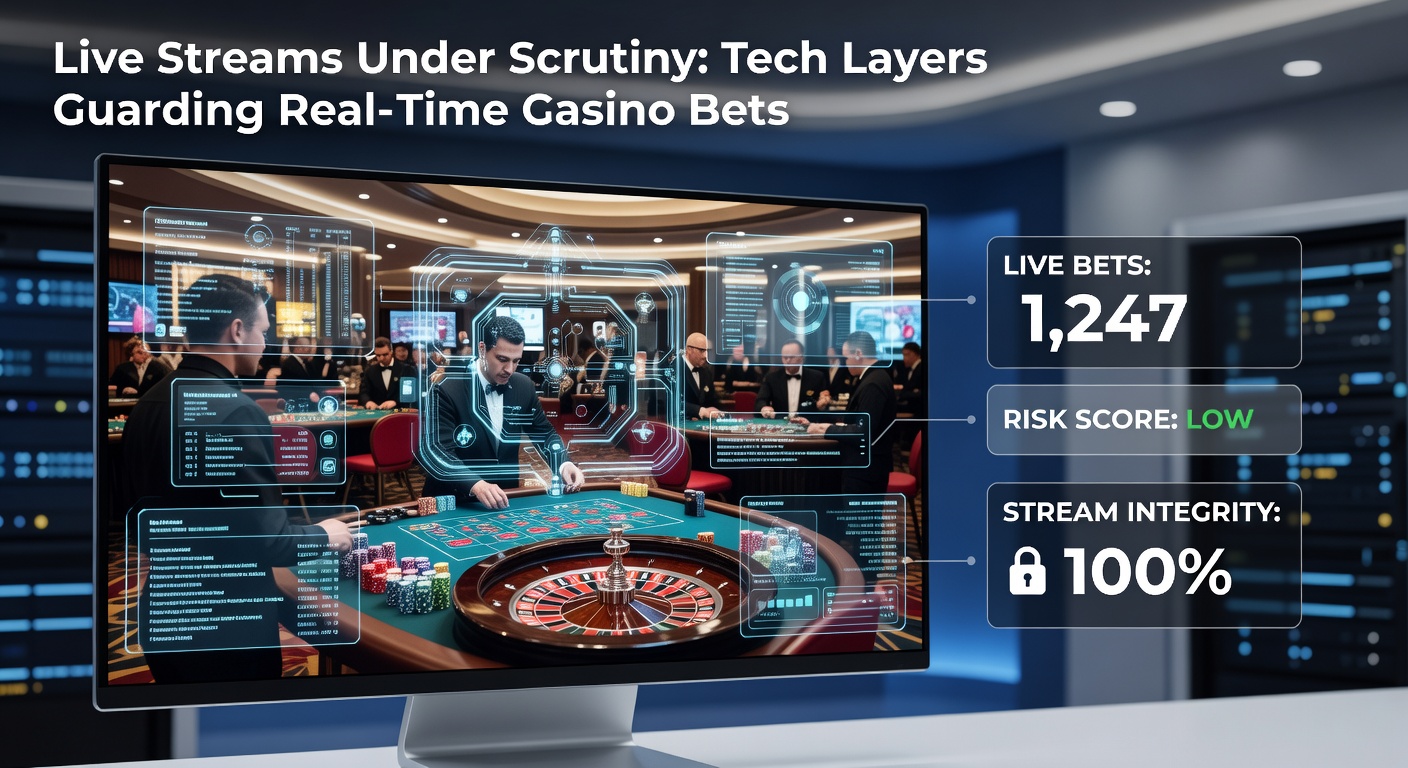
The Surge of Live Dealer Action
Live casino streaming has exploded in popularity, drawing millions to platforms where dealers spin roulette wheels or deal blackjack cards in real time, all beamed directly to players' screens via high-definition video feeds; this format blends the thrill of brick-and-mortar casinos with online convenience, yet it places immense pressure on underlying tech to ensure every bet remains secure and fair. Platforms like Evolution Gaming and Pragmatic Play lead the charge, processing billions in wagers annually through streams that operate 24/7 from studios in Malta, Latvia, and the Philippines. Data from industry trackers shows live games now account for over 50% of online casino revenue in regulated markets, a figure that's climbed steadily since 2020 because viewers crave that human element minus the travel hassle.
But here's the thing: with bets resolving in seconds, any glitch or vulnerability could unravel trust instantly; operators counter this by layering in sophisticated tech stacks, from video compression algorithms that minimize latency to blockchain timestamps verifying every shuffle and spin. Observers note how these systems evolved rapidly post-pandemic, when live streams became the go-to for remote gamblers seeking authenticity without risks like crowded floors.
Encryption Frontlines: Shielding Streams from Prying Eyes
At the core of live stream protection lies end-to-end encryption, where AES-256 protocols scramble video data the moment it's captured by studio cameras, ensuring hackers can't intercept feeds mid-transmission even on public Wi-Fi; this standard, mandated by bodies like the Nevada Gaming Control Board for licensed operations in the US, prevents man-in-the-middle attacks that plagued early streaming attempts. Streams then travel over secure WebRTC connections, which adapt bandwidth dynamically so a player in rural Australia experiences the same fluid 20-millisecond delay as one in downtown Toronto.
What's interesting is how multi-factor authentication ties into this: before a bet lands, players authenticate via biometrics or device fingerprinting, creating an unbroken chain from login to payout; studies from tech firms like Cloudflare reveal that such layers block 99.9% of unauthorized access attempts in real-time environments. And while latency hovers under 100ms in top setups, failover servers kick in seamlessly if a stream hiccups, rerouting traffic without dropping a single hand.
Fair Play Engines: RNG Meets Human Dealers
Real-time betting demands hybrid fairness checks, where certified Random Number Generators (RNGs) govern digital elements like card shuffles not visible to the eye, while human dealers handle physical props under constant multi-angle surveillance; independent auditors such as eCOGRA test these systems monthly, confirming outcomes match theoretical probabilities within 0.1% variance. Cameras with AI-enhanced zoom capture every card edge and chip stack, feeding data to backend algorithms that flag anomalies like suspiciously fast dealer hands.
Take one case from a 2025 audit in a European studio: experts uncovered a minor lighting glitch causing shadow misreads, which operators fixed overnight by upgrading to 4K infrared lenses; now, such tech cross-references dealer actions against RNG logs, generating immutable audit trails stored on distributed ledgers. Players who've dug into demo modes often discover how these layers expose themselves through overlaid stats, showing RTP rates ticking live at 97-99% for blackjack tables.
AI Watchdogs Sniffing Out Foul Play
Artificial intelligence patrols these streams relentlessly, scanning betting patterns for signs of collusion or bot activity; machine learning models trained on millions of sessions detect when a player mirrors another's bets across tables, triggering instant geoblocks or session freezes. Figures from cybersecurity reports indicate AI catches 85% of fraud before it escalates, far outpacing human oversight alone.
So picture this: during a high-stakes baccarat stream, an algorithm spots synchronized wagers from IP clusters in unregulated zones, cross-checks against known blacklists, and alerts compliance teams in under five seconds; operators like Playtech integrate this with behavioral biometrics, monitoring mouse swerves and click speeds to differentiate humans from scripts. It's not rocket science, but the rubber meets the road when these tools integrate with responsible gaming limits, auto-pausing accounts showing chase-loss spirals mid-stream.

Geofencing and Border Controls in the Digital Realm
Geolocation tech enforces jurisdictional boundaries, using GPS triangulation and Wi-Fi triangulation to verify player locations before streams even load; this prevents cross-border betting where licenses don't extend, a common pitfall in fragmented markets like the EU. Data from platform analytics shows geofencing rejects 15-20% of connection attempts daily, routing compliant users to localized servers with tailored odds and languages.
Yet challenges persist: VPN circumventions prompt advanced countermeasures, like device GPS spoofing detection that compares hardware sensors against IP data; in Canada, provincial regulators such as those in Ontario mandate these for iGaming sites, ensuring streams respect provincial lines even as players roam. Observers who've tracked enforcement note how April 2026 updates in several jurisdictions ramped up these checks, aligning with major events like the Monaco Grand Prix where betting volumes spike 300%.
Latency Battles and Resilience Builds
Minimizing delay proves crucial, as even 200ms lags erode edge in games like live poker; content delivery networks (CDNs) like Akamai distribute streams across edge nodes worldwide, compressing 1080p feeds to under 5Mbps without quality dips. Redundancy shines here too: dual-stream encoding means if primary feeds falter from DDoS hits, backups swap in fluidly, a tactic that saved one major provider during a 2024 cyber wave affecting Asian markets.
Those who've studied outage reports find that 99.99% uptime defines elite platforms, achieved through Kubernetes-orchestrated microservices that scale bets per second from thousands to peaks of 10,000 during prime hours; blockchain oracles then timestamp resolutions, letting players verify payouts independently via public explorers.
Regulatory Spotlights and Evolving Standards
Around the globe, watchdogs intensify scrutiny on these tech layers; in Australia, the Australian Communications and Media Authority audits stream integrity quarterly, focusing on anti-money laundering overlays that scan deposits against watchlists in real time. Meanwhile, US states like New Jersey require live dealer licensing with mandatory void bets on tech failures, a rule that's curbed disputes by 40% since implementation.
April 2026 brings fresh momentum, as EU frameworks under review demand quantum-resistant encryption for streams, anticipating future threats; industry panels report operators investing $500 million yearly in upgrades, from haptic feedback for mobile authenticity to VR pilots merging streams with immersive tables. Case in point: a Latvian studio's pivot to 5G-exclusive streams slashed latency to 10ms, boosting player retention 25% per internal metrics.
Conclusion
Tech fortifications in live casino streams form a multi-tiered bulwark, blending encryption, AI vigilance, and regulatory-compliant tools to safeguard bets unfolding in heartbeats; as volumes swell toward 2026 horizons, these layers adapt swiftly, turning potential vulnerabilities into pillars of reliability. Platforms that master this stack not only comply but thrive, fostering environments where fairness isn't promised—it's engineered into every frame and wager. Data underscores the payoff: markets with robust stream tech see 30% fewer complaints and higher engagement, proving the stack's worth where speed meets security.