Support Systems as Gatekeepers: Examining How Assistance Channels Bolster Responsible Gaming Initiatives
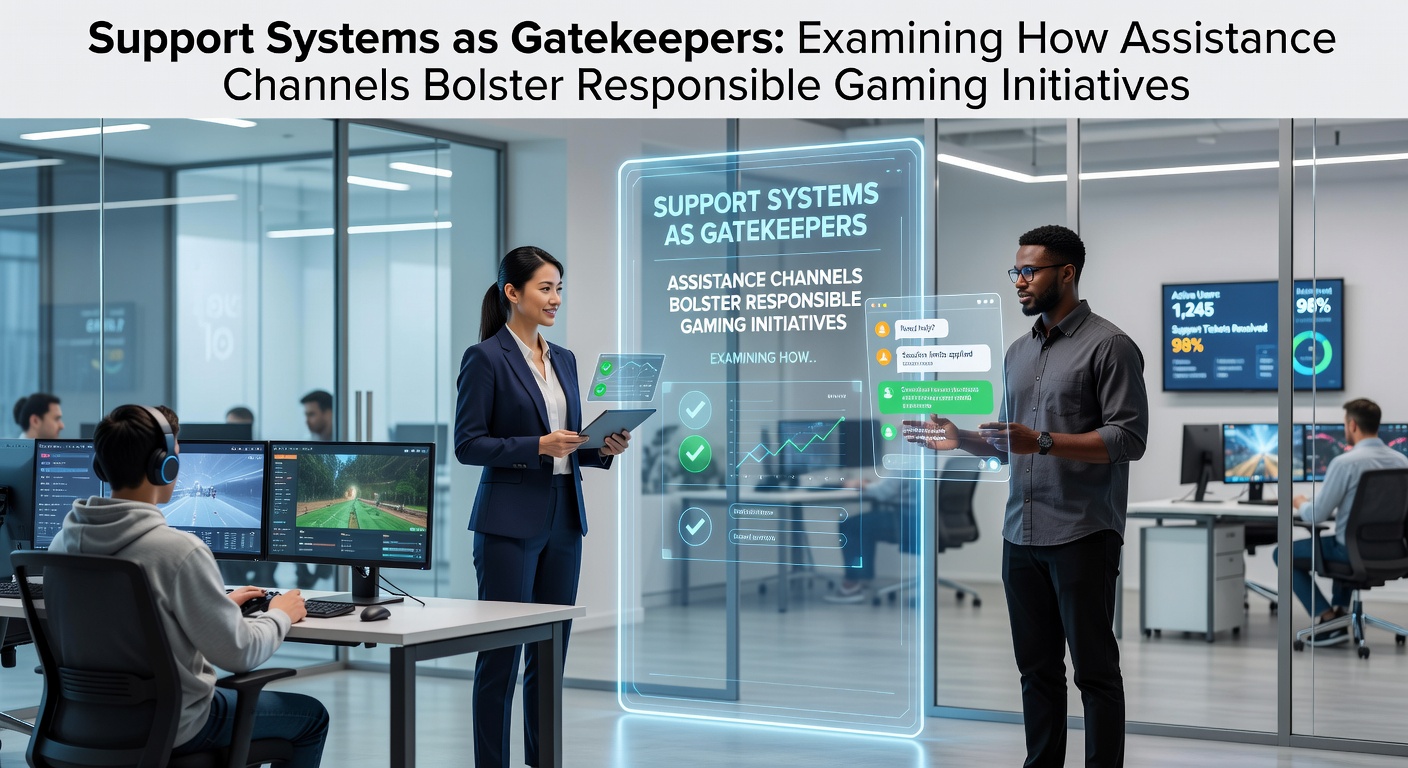 Support channels in digital wagering environments function as active gatekeepers, where trained staff and automated systems monitor interactions, flag patterns of concern, and connect users with intervention resources before issues escalate. Data from regulatory frameworks across multiple jurisdictions shows that these assistance points handle millions of queries annually, often serving as the first line of contact when players seek help with limit setting or self-exclusion requests. Observers note that integrated support protocols have expanded significantly since 2023, incorporating real-time behavioral analytics that trigger alerts during extended sessions or rapid deposit activity.
Types of Assistance Channels and Their Operational Scope
Live chat interfaces, dedicated helplines, and email ticketing systems form the core infrastructure, while AI-driven bots handle initial triage before escalating complex cases to human agents. Research indicates that operators in regulated markets deploy these tools alongside mandatory responsible gaming modules, such as session timers and deposit caps, which support staff can activate on behalf of users during conversations. According to reports from the National Council on Problem Gambling, support interactions in North American markets rose by 18 percent between 2024 and 2025, reflecting broader adoption of proactive outreach programs.
What's interesting is how these channels operate across time zones and languages, with multilingual teams available around the clock to accommodate international player bases. Case studies from operators in Canada and Australia demonstrate that response times under two minutes correlate with higher completion rates for self-exclusion enrollments, as immediate guidance reduces drop-off during the application process. And yet the effectiveness hinges on seamless handoffs between automated systems and live representatives, where bots gather preliminary data on play history before transferring callers to specialists trained in motivational interviewing techniques.
Gatekeeping Mechanisms in Practice
Gatekeeping occurs through scripted protocols that prompt staff to inquire about gambling habits whenever certain thresholds appear in account logs, such as consecutive days of play or repeated limit adjustments. Those who've studied these workflows report that agents receive ongoing certification in recognizing distress signals, including references to financial strain or emotional distress voiced during chats. Figures from industry associations reveal that over 60 percent of self-exclusion requests now originate through direct support contact rather than standalone website forms, underscoring the channels' role in streamlining access to protective measures.
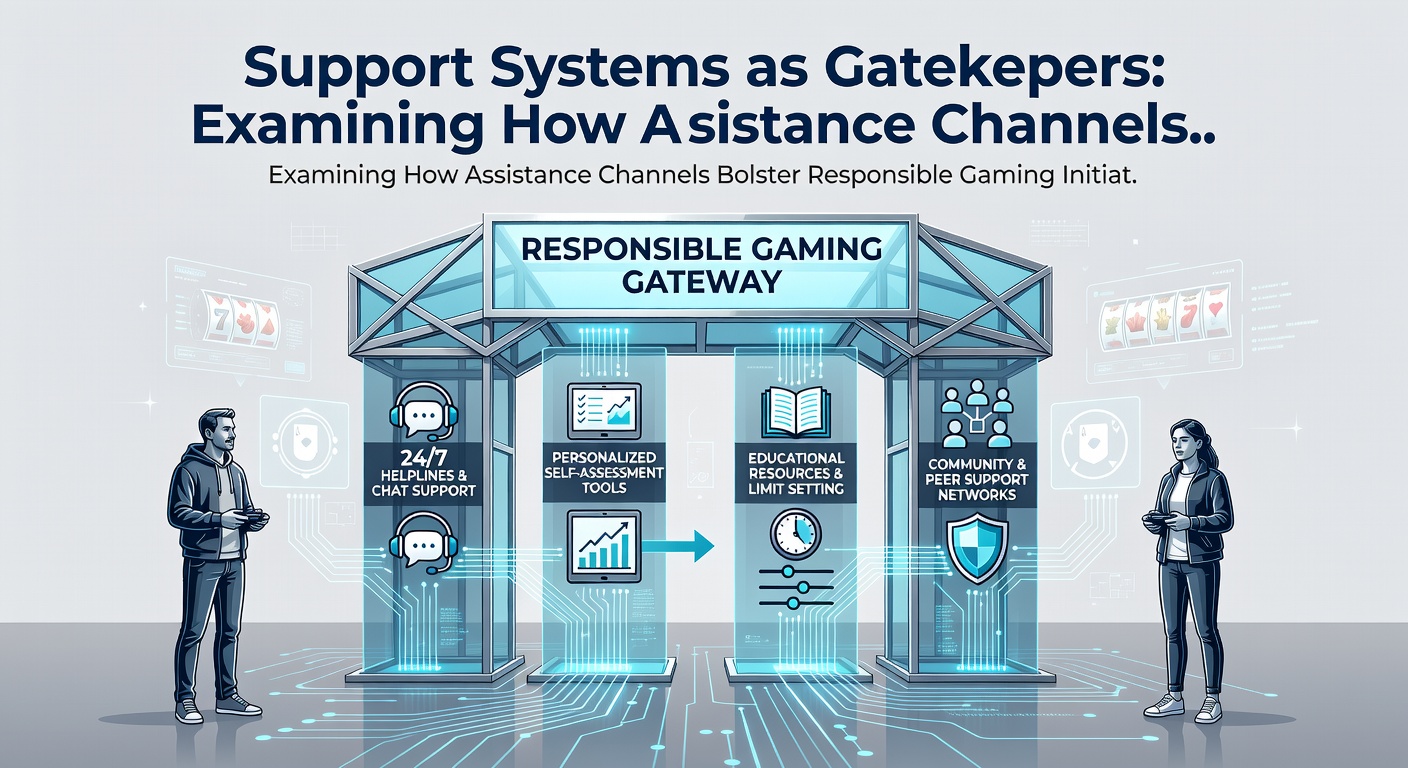
But here's the thing: integration with external helplines adds another layer, where support agents transfer callers directly to organizations like the Responsible Gambling Council in Canada or equivalent bodies in other regions. This handoff process, refined through joint training exercises, ensures continuity of care without requiring players to repeat their circumstances. Data shared at industry forums indicates that such partnerships increased successful referrals by 25 percent in participating markets during the first quarter of 2026, with further updates expected at the Global Responsible Gaming Summit scheduled for May 2026.
Measuring Impact Through Data and Compliance
Compliance audits track metrics like referral completion rates, repeat contact frequency, and player retention after intervention, providing operators with benchmarks for refining their approaches. Researchers have observed that platforms maintaining detailed interaction logs demonstrate stronger alignment with responsible gaming standards, as these records allow for pattern analysis across large user cohorts. Evidence from academic reviews of European and Asian markets suggests that support-led interventions contribute to measurable reductions in high-risk play segments, though outcomes vary based on operator investment in staff training and system upgrades.
One study revealed that operators incorporating feedback loops, where resolved cases inform updates to automated detection rules, achieve faster identification of at-risk accounts. Those monitoring these developments note that regulatory bodies outside the UK continue to emphasize support channel performance during licensing renewals, tying approval outcomes to documented evidence of effective gatekeeping practices.
Conclusion
Assistance channels continue to evolve as essential components of responsible gaming frameworks, where their gatekeeping functions depend on coordinated technology, trained personnel, and cross-organization linkages. Figures reveal steady growth in utilization rates, while case examples from diverse regions highlight consistent application of protocols that prioritize early intervention. As markets prepare for discussions at the May 2026 summit, ongoing refinements in these systems promise further alignment between operational support and broader harm minimization goals.