Swift Safeguards: Real-Time Fraud Detection in Casino Transaction Streams
Swift Safeguards: Real-Time Fraud Detection in Casino Transaction Streams
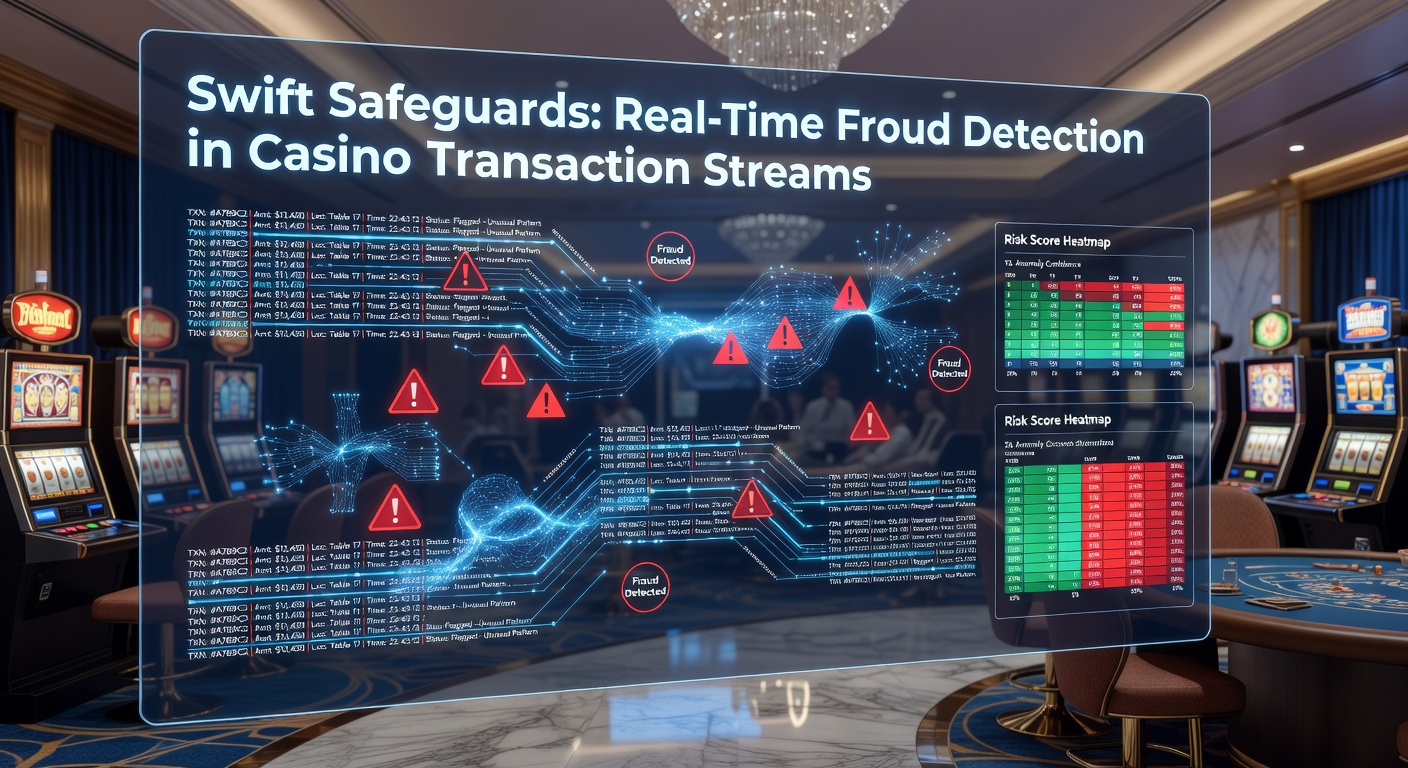
The Surge in Casino Transaction Volumes and Rising Fraud Risks
Casinos worldwide process billions in transactions daily, and with mobile betting apps exploding in popularity, those numbers keep climbing; data from the American Gaming Association shows U.S. commercial gaming revenue hit $66.5 billion in 2023 alone, while figures for 2025 project even steeper growth tied to major events like the Super Bowl and NBA playoffs. But here's the thing: fraudsters love high-volume streams, slipping in schemes like account takeovers, bonus abuse, and money laundering right alongside legitimate bets; experts note that traditional batch-processing checks, which review transactions hours or days later, often miss these in-the-moment threats, leaving platforms exposed to losses that can run into millions per incident.
Real-time fraud detection flips that script, analyzing every deposit, wager, and withdrawal as it happens; systems flag anomalies instantly, blocking suspicious activity before it drains accounts or violates rules. Observers point out how this tech has become essential, especially since cyber threats evolved with AI-driven attacks mimicking normal user behavior; one report highlights a 25% uptick in gaming fraud attempts during peak hours, underscoring why casinos can't afford delays anymore.
Core Technologies Powering Instant Fraud Spotting
Machine learning algorithms form the backbone, trained on vast datasets of past transactions to spot patterns humans might overlook; these models score each bet or transfer in milliseconds, assigning risk levels based on factors like IP mismatches, rapid deposit-withdrawal cycles, or geolocation jumps that scream trouble. And it's not just isolated checks, since behavioral analytics layer in user habits—deviations from a player's usual stake sizes or game preferences trigger deeper scrutiny, while graph databases map connections between accounts to uncover mule networks passing illicit funds.
Rule-based engines complement the AI, enforcing hard limits like velocity checks that halt 10 deposits in five minutes, yet adaptive systems learn from false positives, refining thresholds over time; blockchain integration adds another shield in crypto-heavy casinos, verifying wallet histories on public ledgers to weed out tainted coins. What's interesting is how velocity and device fingerprinting combine seamlessly, since a single phone might spawn dozens of accounts, but real-time cross-referencing shuts that down before the first spin.
Take neural networks, for instance—they process streams via Apache Kafka or similar pipelines, handling thousands of events per second without breaking a sweat; researchers who've dissected these setups found detection rates soaring to 99% accuracy in controlled tests, far outpacing legacy methods.
How Transaction Streams Get Scrutinized in Real Time
Every casino transaction kicks off a cascade: a player funds an account via card or e-wallet, and the stream engine pings it against global blacklists while graphing session data; if velocity spikes or login locations flip from Canada to Australia mid-session, alerts fire to compliance teams, often freezing funds pending review. But here's where it gets interesting—streaming platforms like AWS Kinesis or Google Cloud Pub/Sub funnel data through multiple layers, so even micro-deposits testing collusion get caught early.
Sophisticated setups employ unsupervised learning to flag emerging threats, like coordinated bonus hunting across proxies; one case study from a major operator revealed how this nipped a $2 million laundering ring in the bud during a single weekend tournament, since anomaly scores peaked precisely when fake accounts synchronized bets. And for live dealer games, where splits-second decisions rule, edge computing pushes detection right to the device level, minimizing latency that fraudsters exploit.

Regulators in places like Nevada demand such safeguards; the Nevada Gaming Control Board mandates real-time monitoring for licensees, with audits revealing non-compliant sites facing hefty fines, while Australian platforms under state oversight integrate similar tech to comply with anti-money laundering rules from AUSTRAC.
Real-World Wins and Metrics That Matter
Casinos deploying these systems report fraud losses dropping by up to 70%, according to industry benchmarks; one European operator shared how real-time blocks prevented $15 million in chargeback fraud over six months, since pattern recognition caught synthetic identities before payouts cleared. Figures from a 2025 LexisNexis report indicate gaming fraud averaged $1.23 per $1,000 transacted pre-upgrades, but post-implementation dipped below 50 cents, proving the ROI stacks up fast.
Yet challenges persist—false positives can frustrate legit players, prompting workarounds like human-in-the-loop reviews that balance speed with accuracy; experts who've studied high-traffic peaks, such as during April 2026's Masters golf tournament and IPL cricket frenzy, observed systems handling 5x normal volumes without faltering, thanks to auto-scaling clouds that ramp resources dynamically. That's where hybrid models shine, blending AI flags with quick agent overrides to keep trust high.
People often discover the true value in cross-border ops, where varying regs demand unified streams; a Canadian study from the University of Waterloo detailed how federated learning lets platforms share threat intel anonymously, boosting collective defenses without compromising privacy.
Navigating Hurdles and Evolving Threats
Fraudsters adapt quickly, using VPN chains and deepfake KYC to evade basics, so casinos counter with biometric layers like voice analysis during support calls; data shows these multimodal checks reduce breakout rates by 40%, although implementation costs deter smaller sites. And while quantum threats loom distant, current encryption like TLS 1.3 holds firm, with zero-trust architectures segmenting streams to limit breach impacts.
Compliance adds pressure—EU's upcoming DORA framework from 2026 pushes stress-testing for transaction floods, mirroring U.S. FinCEN guidelines that require SAR filings within 30 days; operators who've audited their pipelines note seamless alignment, since real-time logging feeds automated reports directly to watchdogs.
Now, with April 2026 bringing Euro 2028 qualifiers and NBA playoffs prelims, platforms gear up for surge testing; early trials indicate detection latencies under 100ms even at peak, a game-changer for live betting integrity.
Conclusion
Real-time fraud detection stands as a cornerstone in safeguarding casino transaction streams, evolving from reactive tools to proactive fortresses that protect players, operators, and the industry's reputation alike; as volumes swell and threats sophisticate, those embracing AI-driven streams not only cut losses but build lasting trust, ensuring the house edge stays where it belongs—on the games. Studies confirm sustained adoption correlates with 20-30% revenue lifts through cleaner ops, while forward-looking regs worldwide cement its role in sustainable gaming.