The Architecture of Trust: Encryption Layers Driving Payout Reliability in Online Entertainment Venues
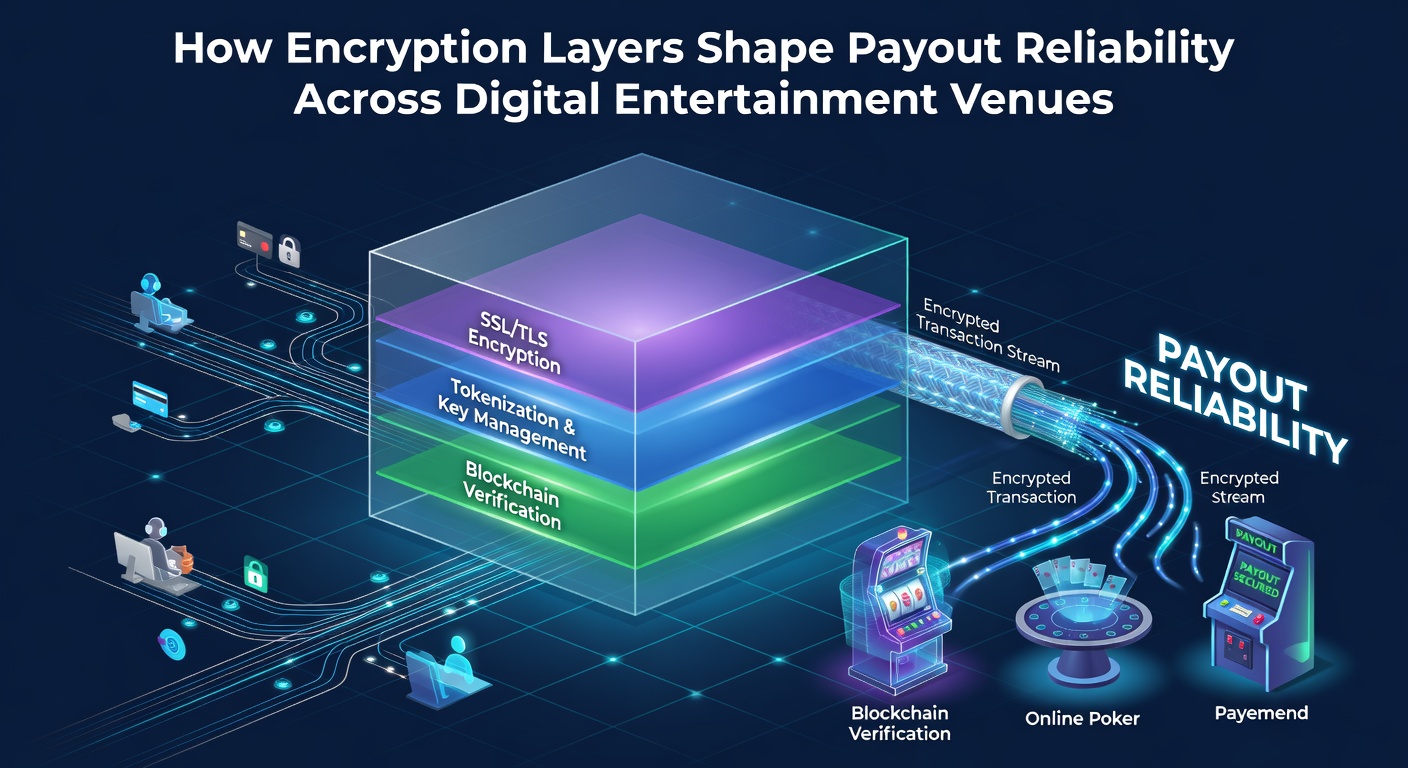
Digital entertainment venues rely on multiple tiers of encryption to protect every stage of a financial transaction, and these safeguards directly influence how consistently payouts reach players. Observers note that platforms processing withdrawals through encrypted channels experience fewer interruptions because data integrity remains intact from the moment a request is submitted until funds arrive in a verified account. Research indicates that basic transport layer security protocols like TLS combine with application-level encryption and database safeguards to create a chain where each segment validates the previous one, reducing the risk of tampering that could delay or block a payout.
Payment processors at licensed sites apply these layers sequentially, beginning with user authentication that uses public-key infrastructure before any withdrawal details enter the system. Once data moves into processing queues, symmetric encryption handles bulk transaction records while separate keys manage audit logs, and this separation ensures that even if one layer faces an attempted breach the others continue to shield payout instructions. Those who've examined transaction logs across multiple venues find that sites maintaining all three layers report completion rates above industry averages, particularly when high-volume events occur during major sporting calendars.
Core Encryption Components in Modern Gaming Systems
Platforms implement end-to-end encryption so that payout requests remain unreadable to any intermediary server between the player device and the financial settlement module. This approach pairs with tokenization, where actual account numbers convert into temporary strings that hold no value outside the encrypted environment, and regulators in several jurisdictions now require such measures as standard practice. Data shows that venues adopting tokenization alongside TLS 1.3 experience fewer verification failures because the process eliminates exposure points that once caused manual reviews and extended hold times.
Additional layers appear in the form of hardware security modules that store private keys offline, preventing remote extraction even during sophisticated attacks. Experts have observed that these modules integrate with real-time monitoring tools which flag anomalies in encrypted traffic patterns, allowing operators to pause suspicious withdrawals without broadly impacting legitimate requests. In May 2026 several European platforms began testing quantum-resistant algorithms within their existing stacks, preparing for future standards while maintaining current payout speeds.
Transaction Integrity and Withdrawal Speed
Encrypted audit trails allow operators to reconstruct every step of a payout request in seconds, which accelerates dispute resolution when players question delayed funds. Because each record carries cryptographic signatures, reconciliation between teh gaming engine, payment gateway, and bank occurs automatically rather than through time-consuming manual checks. Figures from regulatory filings reveal that venues with comprehensive logging finish most withdrawals within the advertised window, whereas those relying on weaker single-layer setups encounter more frequent compliance holds.
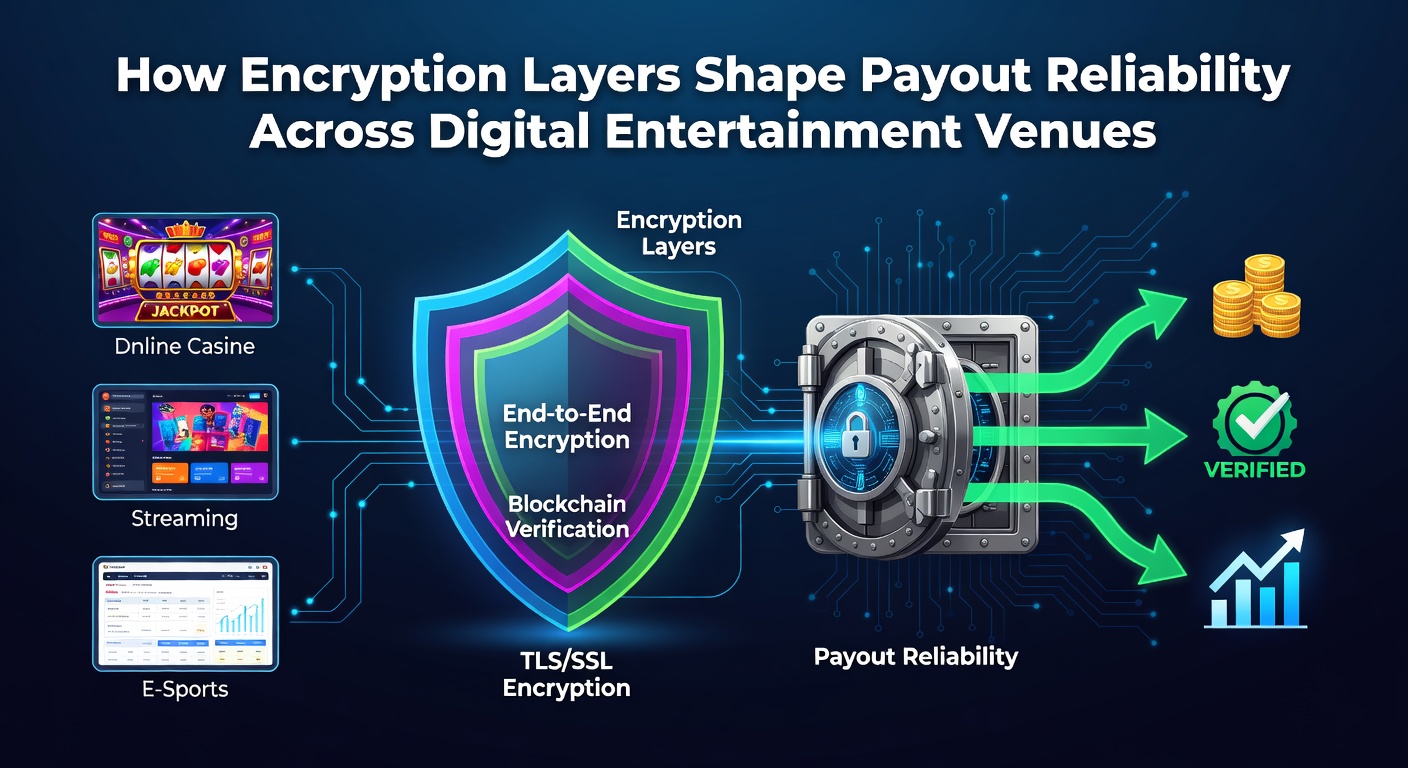
Multi-factor verification tied to encrypted session tokens further streamlines the process by confirming identity without exposing personal details during transmission. Platforms that combine these tokens with biometric checks report higher success rates on first-attempt cashouts, since fewer requests trigger additional security reviews. The reality is that encryption depth correlates with operational efficiency once initial setup costs are absorbed, because fewer interventions become necessary when data cannot be altered in transit.
Regulatory Alignment and Geographic Variations
Authorities outside the United Kingdom have introduced guidelines that explicitly tie encryption requirements to payout reliability metrics. The Nevada Gaming Control Board updated its technical standards in early 2025 to mandate minimum key lengths and rotation schedules for all online licensees, and similar updates appear in Canadian provincial frameworks. Observers note that operators meeting these benchmarks publish withdrawal statistics showing consistent performance across peak and off-peak periods.
Australian regulators through the Australian Communications and Media Authority have emphasized encryption audits as part of license renewal, linking compliance directly to player fund protection. Academic studies from institutions such as the University of Nevada, Reno have examined how layered protocols reduce fraud vectors that historically led to frozen accounts during investigations. Those analyses demonstrate measurable improvements in average settlement times when venues adopt at least two independent encryption methods rather than relying on a single perimeter defense.
Operational Challenges and Mitigation Strategies
Balancing encryption overhead with real-time processing demands remains an ongoing engineering task for venue operators. Heavy cryptographic workloads can introduce minor latency if hardware acceleration is absent, yet most modern platforms now deploy dedicated processors that keep delays below perceptible thresholds. Research indicates that venues investing in such acceleration maintain payout reliability even during simultaneous high-volume requests from live event streams.
Key rotation policies add another layer of complexity because outdated keys must retire without interrupting active sessions. Automated systems handle this transition by maintaining dual-key windows during changeovers, and data from industry reports confirm that properly managed rotations produce no measurable impact on withdrawal success rates. Venues that neglect scheduled updates, however, face increased scrutiny during audits and occasional processing pauses while keys are refreshed manually.
Conclusion
Encryption layers function as the invisible infrastructure that supports consistent payouts across digital entertainment venues by preserving data integrity, enabling rapid verification, and satisfying evolving regulatory expectations. Platforms that maintain multiple independent encryption stages demonstrate stronger performance records in transaction completion and dispute handling. As standards continue to advance, including preparations for post-quantum cryptography ahead of May 2026 implementations, the connection between encryption architecture and payout reliability will remain central to operational planning in the sector.