Tracing Global Wagers: Transaction Records Uncover Licensing Shortfalls Across International Betting Operations
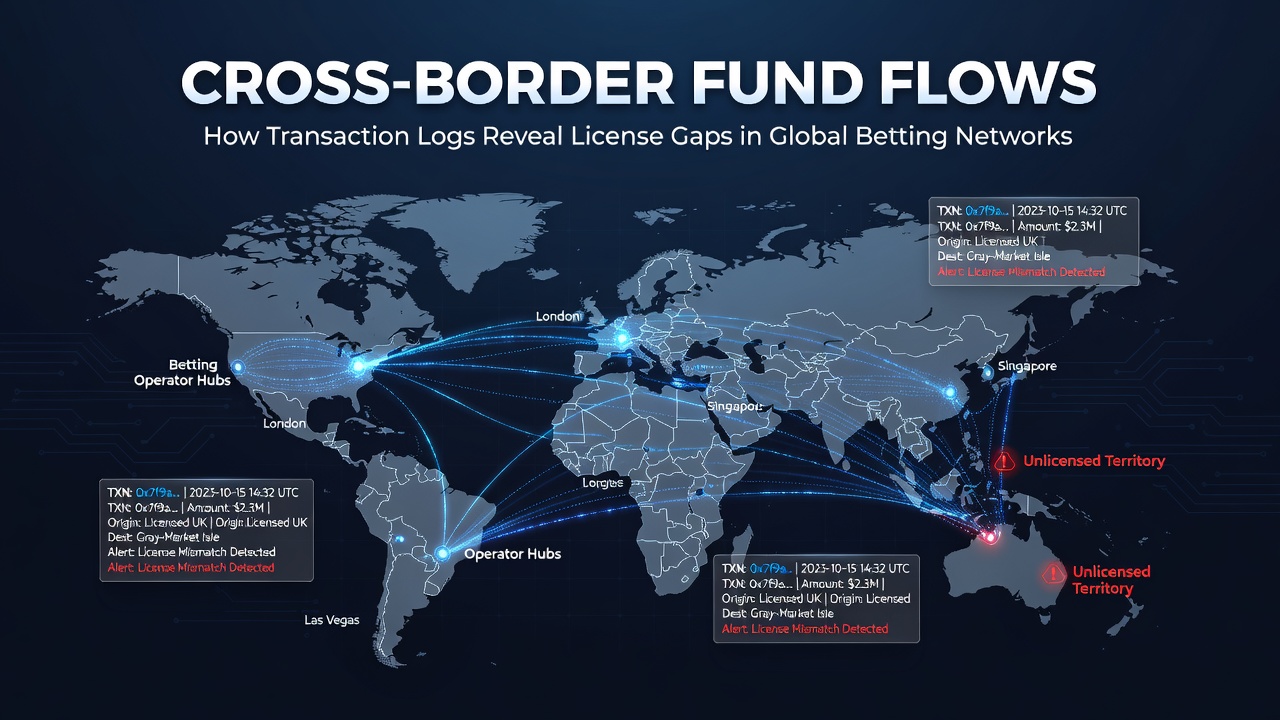
Global betting networks operate through intricate webs of payments that cross national boundaries daily, and transaction logs maintained by financial institutions along with payment processors have become primary tools for identifying operators who lack required licenses in multiple jurisdictions. Researchers at regulatory bodies track these records to map where funds originate and terminate, which often exposes platforms functioning without authorization in specific markets while maintaining licenses elsewhere. Data compiled from banking channels shows patterns of repeated transfers to entities registered in loosely regulated zones, and these movements frequently bypass oversight mechanisms designed to restrict access for players in stricter regions.
Mechanics Behind Cross-Border Payment Pathways
Betting transactions travel through layered systems involving e-wallets, credit card processors, and cryptocurrency exchanges that route money between players, operators, and intermediaries across continents. When logs record consistent outflows from accounts in one country toward servers or holding companies based in another, analysts can trace the ultimate beneficiary and check whether that operator holds valid authorization for the originating jurisdiction. Payment service providers must retain detailed records under anti-money laundering rules, and these documents reveal volume spikes that coincide with major sporting events or seasonal promotions.
Observers note that operators sometimes maintain multiple entities under different corporate names, which complicates verification until transaction histories link the various shells together. Studies conducted by international financial intelligence units demonstrate how clustering algorithms applied to log data flag accounts that funnel player deposits into jurisdictions with minimal licensing standards.
Detection Methods Using Log Analysis
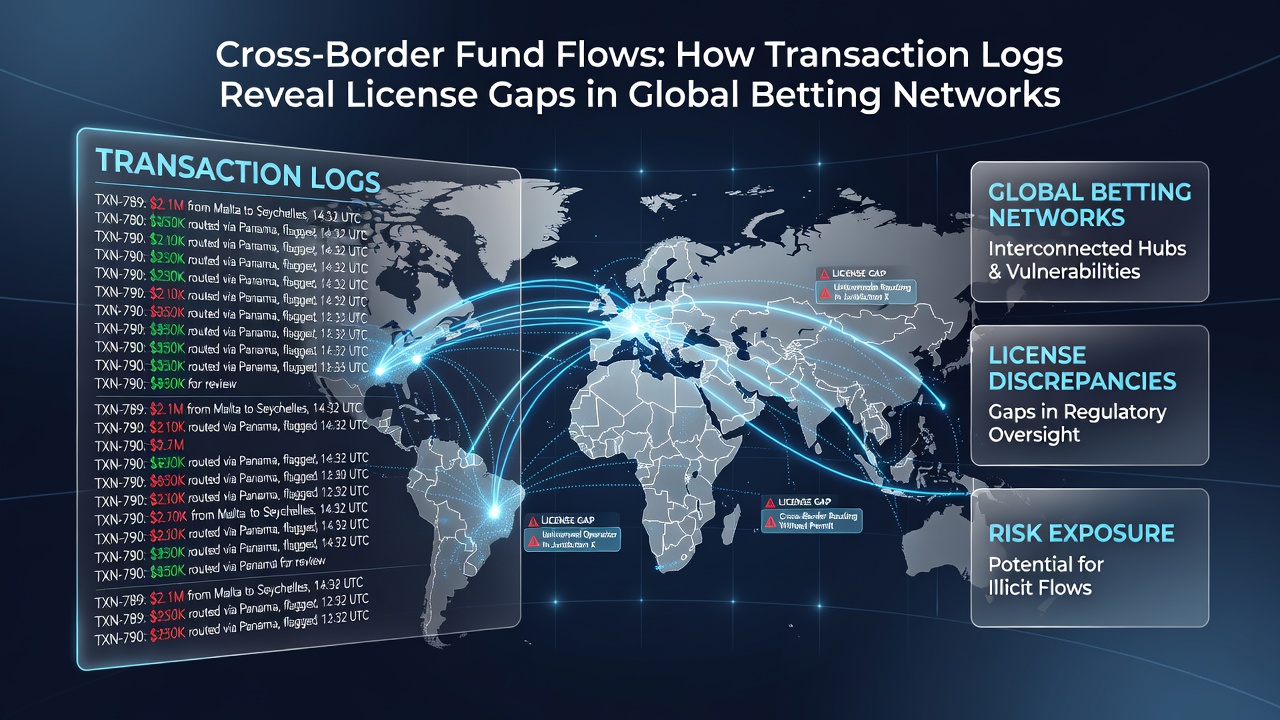
Transaction monitoring software flags anomalies such as high-frequency micro-transactions or round-number transfers that match known betting patterns, and investigators then cross-reference these entries against public license registries maintained by authorities in target markets. When discrepancies appear, enforcement teams request additional documentation from banks to determine whether the receiving operator possesses authorization for the player's location. Evidence from multiple regions indicates that logs also capture chargeback volumes, which rise sharply when players discover an operator lacks local approval and faces payout issues.
Academic papers from research centers focusing on gambling economics highlight how graph analysis of fund flows identifies hub-and-spoke structures where unlicensed entities serve as collection points before redistributing winnings through licensed partners. These techniques gained traction after several coordinated international operations revealed widespread gaps in real-time verification systems.
Regional Variations in Oversight Practices
Authorities in Canada and Australia apply differing thresholds for what constitutes a reportable cross-border flow, and this creates uneven coverage that sophisticated networks exploit. In Ontario the Alcohol and Gaming Commission of Ontario requires operators to demonstrate fund segregation for local players, whereas Australian state regulators emphasize post-event reconciliation of logs against license databases. European frameworks add another layer through directives that mandate cooperation between member states on shared transaction intelligence, yet gaps persist where non-EU operators interface with EU payment rails.
One study released by the University of Sydney's gambling research group examined logs spanning 2024 through early 2026 and found clusters of activity directed toward Caribbean-based entities that held no equivalent licenses in source countries. Such findings prompted several banks to implement stricter onboarding checks for gaming merchants during that period.
Developments Around Mid-2026
International forums scheduled discussions in June 2026 on standardizing data-sharing protocols for transaction logs, with participants from North American and Asia-Pacific agencies examining pilot programs that automatically flag unlicensed destinations. Early results from those pilots suggest faster identification of repeat offenders, although full rollout depends on legislative alignment across participating nations. Meanwhile payment processors began testing enhanced API endpoints that query license status before completing transfers, reducing the window during which unlicensed operators can collect funds undetected.
Enforcement Outcomes and Persistent Challenges
Seizures of funds tied to unlicensed operations have increased where regulators gained direct access to aggregated log datasets, and several operators faced multi-jurisdictional license revocations after log evidence demonstrated systematic violations. Yet challenges remain because cryptocurrency routes and decentralized finance protocols leave fewer centralized records, forcing investigators to rely on on-chain analysis that requires specialized expertise. Industry associations such as the European Gaming and Betting Association have published guidance encouraging members to adopt voluntary transparency measures that exceed minimum regulatory requirements.
Conclusion
Transaction log examination continues to serve as a cornerstone for exposing license gaps within global betting networks, and ongoing refinements in data analytics promise tighter integration between financial monitoring and licensing verification. As regulatory bodies refine their approaches through 2026 and beyond, the emphasis remains on expanding cooperative frameworks that close loopholes without disrupting legitimate cross-border commerce.