User Notifications Triggering Enhanced Safeguards for Transactions on Gambling Sites
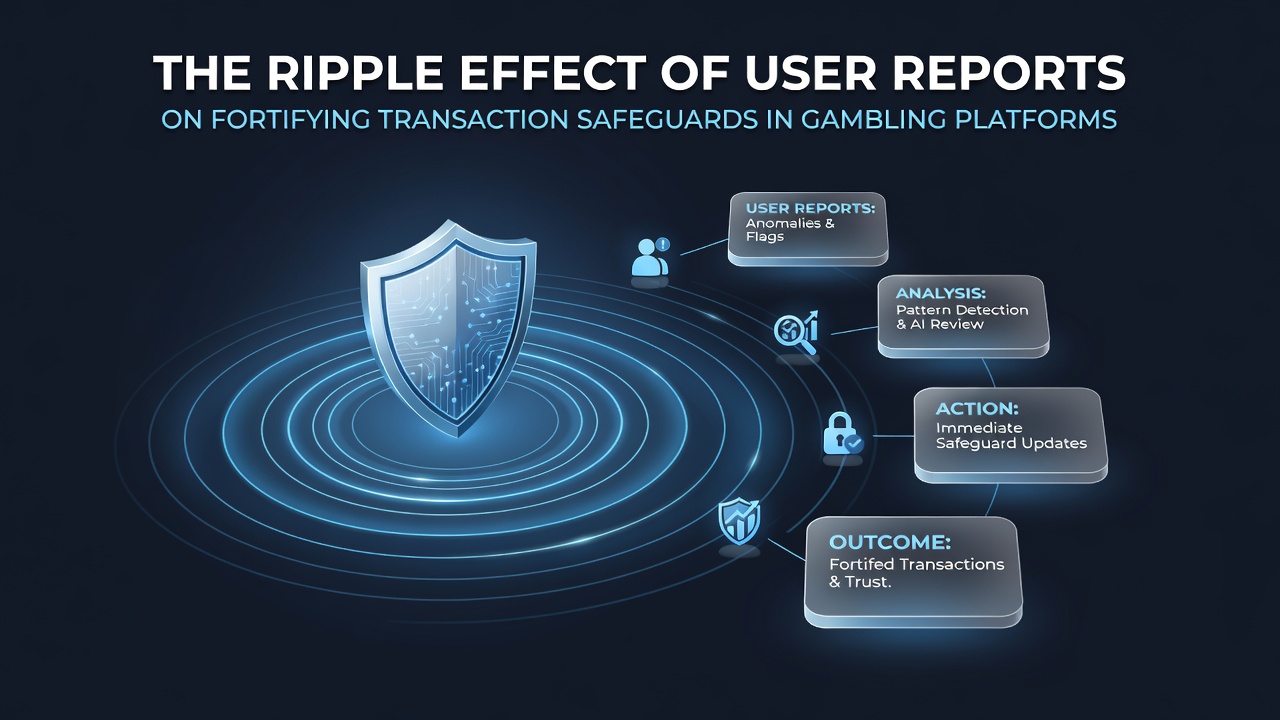
Player reports have become a driving force behind upgrades to transaction security across many gambling platforms, creating a pattern where individual alerts lead to broader system improvements that affect how payments are monitored and protected. Data from various regulatory bodies shows that platforms receiving consistent user feedback often implement changes to fraud detection tools and verification processes within months of receiving those reports.
How Reports Reach Platform Operators
Operators collect user notifications through dedicated channels including in-app forms, email systems, and third-party review sites, then route those submissions to compliance teams responsible for reviewing transaction patterns. Many platforms categorize incoming reports by type such as unauthorized charges or delayed withdrawals, allowing staff to identify recurring issues that require technical adjustments. Studies from research institutions like the Australian Gambling Research Centre indicate that structured categorization helps teams prioritize fixes that address the most frequent problems reported by players.
Once a report enters the system, analysts cross-reference it with transaction logs to spot anomalies such as unusual withdrawal speeds or mismatched account details. This process often reveals gaps in existing safeguards that automated systems alone might miss, prompting manual reviews and eventual software updates.
Patterns Emerging From Aggregated Data
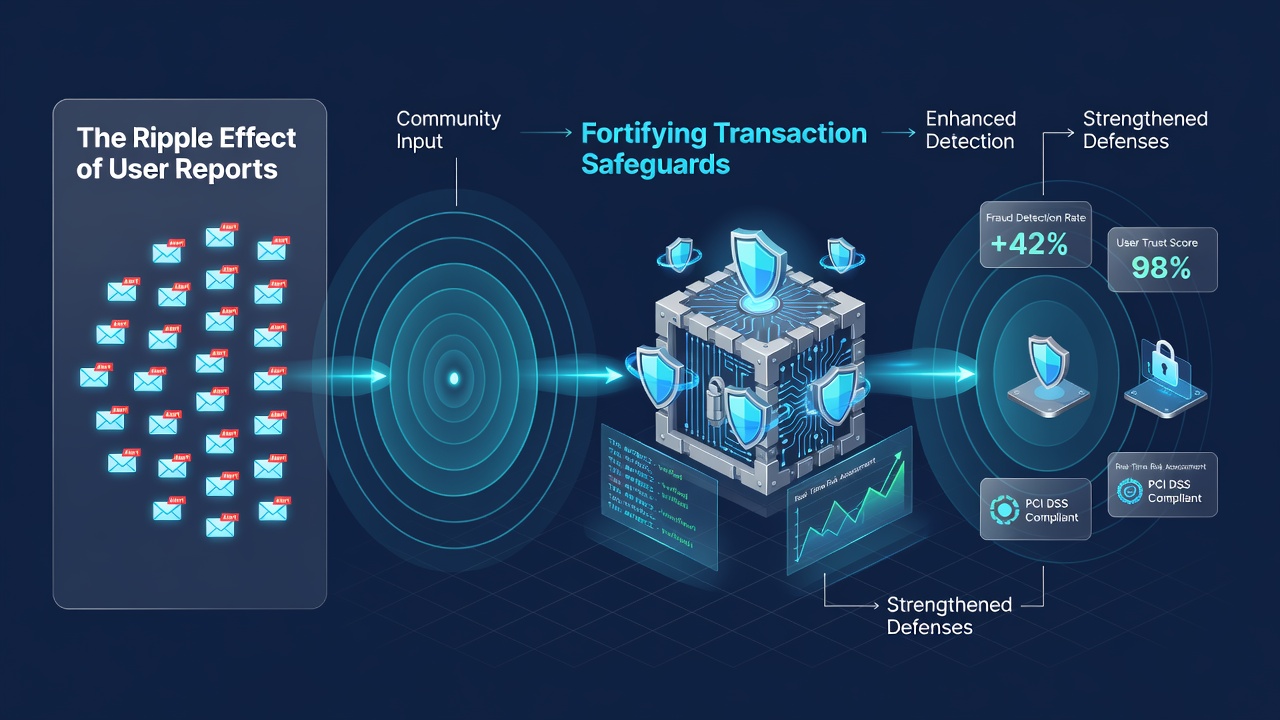
When multiple users flag similar transaction issues, operators notice clusters that point to vulnerabilities in payment processing pipelines. For example, repeated reports about failed deposits from certain regions have led some platforms to strengthen geo-location checks and introduce additional authentication steps for high-risk locations. Industry reports reveal that these targeted updates reduce the number of subsequent complaints in the same category by measurable margins within a quarter.
Platforms also track the time between receiving a report and implementing a fix, with faster response times correlating to higher retention rates among affected users. Observers note that this feedback loop encourages developers to refine algorithms that flag suspicious activity before it escalates into larger problems.
Technical Adjustments Following User Input
Engineers often respond to aggregated reports by modifying encryption standards or adding real-time monitoring layers to transaction flows. One documented case involved a platform that upgraded its multi-factor authentication after dozens of users reported unauthorized access attempts during peak betting hours. The change resulted in a documented drop in disputed transactions according to internal metrics shared with oversight bodies.
Additional updates have included refined velocity checks that limit the number of withdrawals within a set period, adjustments prompted directly by patterns identified in user-submitted data. These modifications integrate with existing compliance frameworks without requiring complete overhauls of backend systems.
Regulatory Context and June 2026 Developments
International regulatory frameworks continue to emphasize the value of user input in maintaining secure transaction environments. Beginning in June 2026, several jurisdictions plan to require platforms to publish summaries of how they address common player concerns related to payments, creating greater transparency around the connection between reports and implemented safeguards. This approach aligns with practices already seen in parts of North America and Europe where oversight agencies review complaint volumes as part of licensing renewals.
Organizations such as the National Council on Problem Gambling have highlighted how transparent handling of transaction-related feedback supports overall platform accountability. Platforms that demonstrate consistent follow-through on these reports often receive more favorable evaluations during periodic audits.
Longer-Term Effects on Platform Operations
Over time, the accumulation of user reports influences how platforms allocate resources toward security infrastructure. Teams responsible for payment systems begin to incorporate predictive elements into their monitoring tools, using historical report data to anticipate where future issues might arise. This shift reduces reliance on reactive measures and supports more stable transaction environments for all users.
Those who have examined these trends across multiple operators point out that the process creates a self-reinforcing cycle where improved safeguards lead to fewer severe incidents, which in turn generates more focused and actionable reports from remaining users. The result is a gradual elevation of baseline security standards across the sector.
Conclusion
User reports function as an ongoing input mechanism that guides refinements to transaction safeguards on gambling platforms, with measurable effects on detection capabilities and response protocols. Aggregated data from these reports informs technical upgrades and compliance adjustments that extend beyond individual cases to shape broader operational practices. As regulatory expectations evolve through 2026 and beyond, the integration of player feedback into security planning remains a documented factor in how platforms maintain transaction integrity across different markets and jurisdictions.